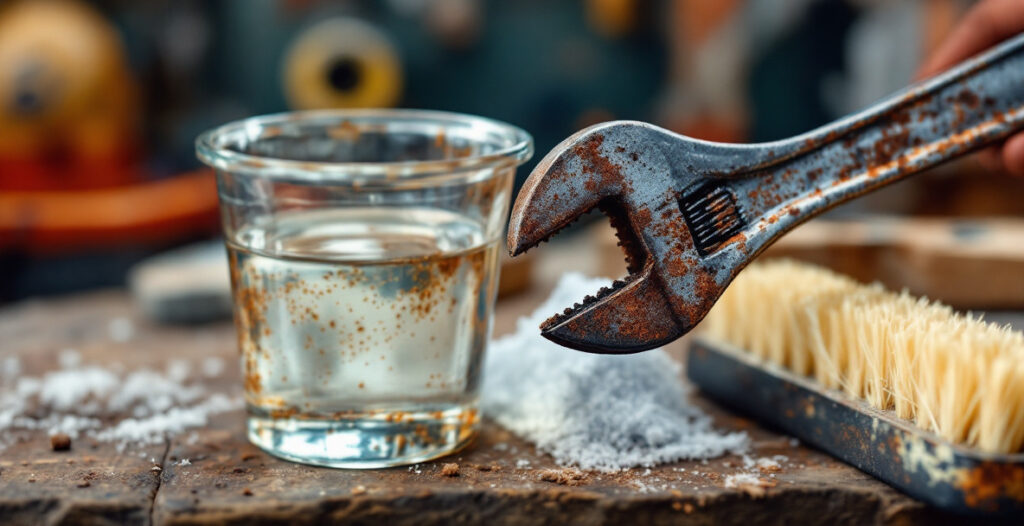
White vinegar removes rust from tools because its acetic acid dissolves iron oxide, turning solid rust back into a soluble compound that wipes or rinses away. The standard method is a full soak — fully submerged, not just wiped — for 12 to 24 hours, followed by scrubbing with steel wool or a wire brush, then an immediate dry and oil coat to stop flash rust from forming within hours.
That’s the whole method in one sentence. The rest of this is how to do it without ruining an edge, wasting a weekend, or ending up with tools rustier than when you started.
Why does white vinegar work on rust?
Rust (iron oxide) is not very soluble in water, but it dissolves readily in weak acids. White vinegar is typically 5% acetic acid, which is strong enough to break the bond between the oxide and the base metal without being aggressive enough to eat through solid steel in a normal soak time.
The acid works on contact, so more surface exposure means faster results. This is why full submersion beats spraying or wiping — a sprayed tool only has the rust on its top layer reacting, while a submerged one has acid working at every pitted surface at once. One community post on the topic put it plainly: vinegar is slow but reliable, and its main downside is time, not effectiveness — see this rust removal discussion for a fair rundown of the pros and cons people run into in practice.
Does the concentration of vinegar matter?
Yes — standard 5% white vinegar works fine for light-to-moderate rust, but heavier or pitted rust clears faster with a stronger solution. Some suppliers sell horticultural or cleaning vinegar around 30% acetic acid specifically for tougher jobs like this, cutting soak time considerably compared to standard kitchen-strength vinegar, as outlined in this breakdown of Blendmagicproducts.
Higher concentration isn’t free, though. It’s harsher on your skin, harder on painted handles or plastic parts, and more likely to start biting into good steel if you leave a tool in too long. For most hand tools picked up secondhand, standard vinegar and a longer soak is the safer trade.
What you need for the soak-and-scrub method
You don’t need much, and none of it is specialty gear. That’s the point of this method — it uses what’s already in most kitchens.
- White vinegar, enough to fully submerge the tool
- A container that seals or can be covered (a bucket, jar, or plastic tub)
- Steel wool (0000 grade for delicate work, coarser for heavy rust) or a wire brush
- Rubber gloves
- Clean rags
- Light machine oil or boiled linseed oil for after
If you’re doing this on a chisel or plane blade rather than a wrench or hinge, keep in mind the edge is the one part you don’t want sitting in acid any longer than necessary — more on that below.
The step-by-step soak and scrub method
This is the core process, and it holds for almost any rusted hand tool: chisels, plane bodies, saw plates, hinges, clamps.
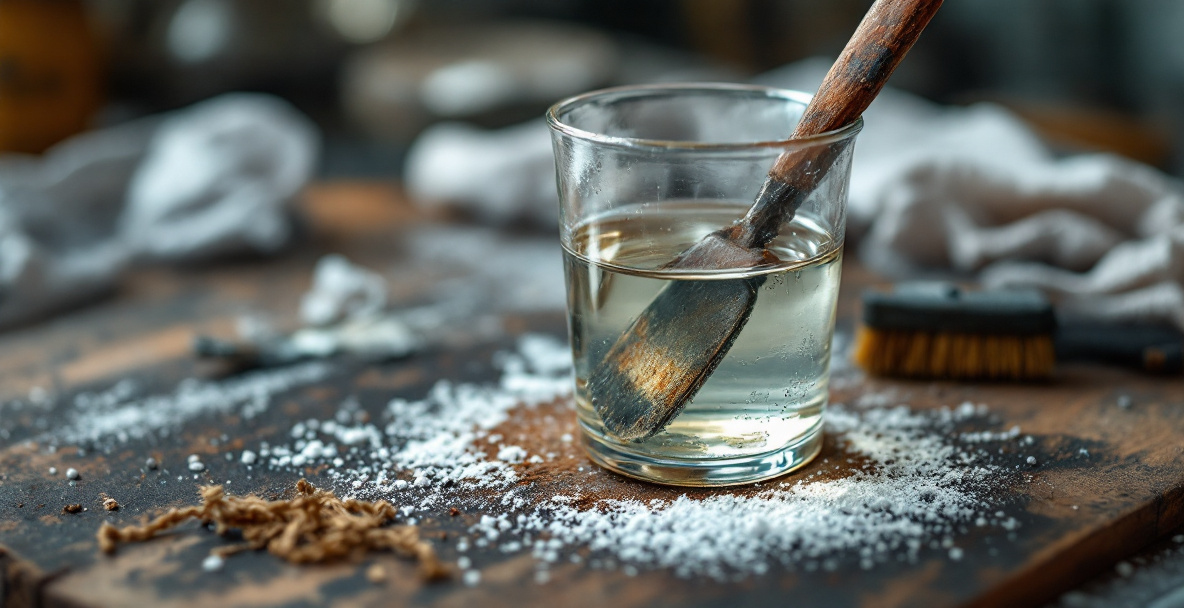
- Disassemble what you can. Remove wooden handles if they’re loose or glued with hide glue, since vinegar can loosen old glue and dull finishes. Metal-only parts go in as-is.
- Submerge fully. Place the tool in the container and pour vinegar until it’s completely covered. Partial submersion just means you’ll be doing this twice.
- Cover and wait. Light surface rust can clear in as little as 4-6 hours. Heavier, pitted rust usually needs 12-24 hours. Check every few hours rather than guessing.
- Pull it out and scrub immediately. The rust will have turned soft and dark. Scrub with steel wool or a wire brush under running water — the water rinses off loosened rust and any remaining vinegar at the same time.
- Dry completely, right away. Bare steel flash-rusts within an hour or two of being wet, especially in humid spaces like a garage or shed. Towel-dry, then leave it somewhere warm for 10-15 minutes to be sure.
- Oil the metal. A thin coat of light oil (3-in-1, mineral oil, or similar) stops new rust from forming. This step is not optional — skip it and you’ll be back to soaking within a week.
This general sequence matches what’s recommended across most rust-removal guides that rely on soaking rather than chemical strippers, including this Branchbasics.
How long should you soak a tool in vinegar?
For light rust, 4-6 hours is usually enough — check it before leaving it overnight so you don’t over-soak. For moderate to heavy rust or pitting, plan on 12-24 hours, and for badly rusted tools that have sat outside for years, some soaks stretch to 48 hours with a vinegar change halfway through.
Longer isn’t always better. Past a certain point you’re not removing more rust, you’re just risking the acid starting to etch clean metal, which can leave a dull, slightly rough finish on an edge tool.
Does white vinegar damage cutting edges?
Yes, it can, if you leave an edge tool soaking too long or don’t neutralize and dry it properly afterward. Acetic acid doesn’t distinguish between rust and steel — it just reacts faster with rust because oxide is more chemically available.
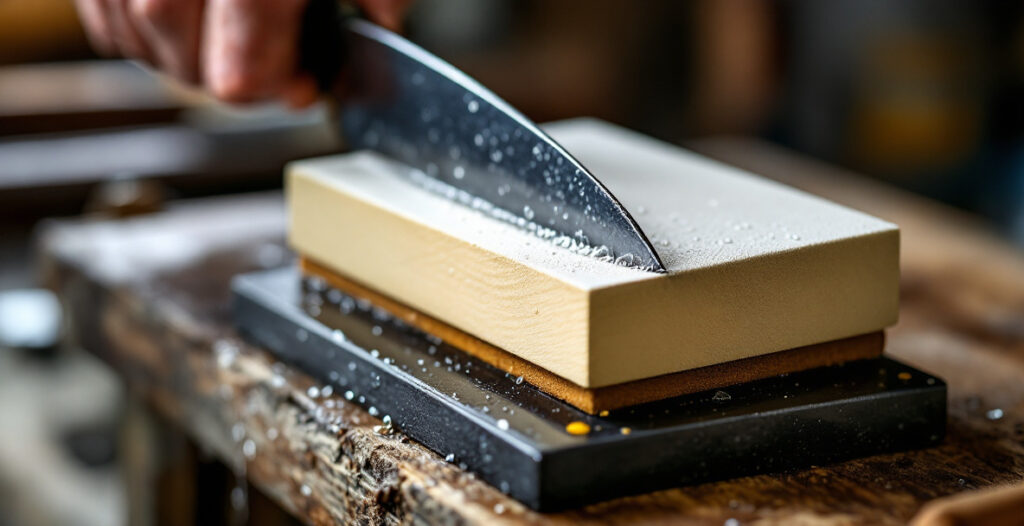
For chisels and plane blades specifically, keep soak time on the shorter end (4-8 hours), and check the edge often rather than leaving it to soak overnight unsupervised. Once you’re done treating rust on an edge tool, you’ll still need to re-establish the actual cutting edge — vinegar removes corrosion, it doesn’t sharpen anything. If the blade came out pitted or dull, our guide on sharpening a hand plane blade without fancy gear covers getting a working edge back with basic secondhand equipment.
Should you neutralize vinegar before drying?
It’s a good habit, though not always strictly necessary if you rinse well. A quick dip in water with a pinch of baking soda neutralizes any remaining acid on the surface, which is worth doing on tools with pitting where acid can sit in small crevices even after rinsing.
Skipping this step usually isn’t a disaster if you dry thoroughly and oil promptly — most of the acid rinses off with plain water. But on tools with deep pits, the extra step costs a minute and removes any doubt.
What about tools with wooden handles?
Leave the handle out of the vinegar bath if you can. Vinegar can strip finish, loosen old hide glue, and dry out wood fibers with prolonged soaking, which is a bad trade for a handle that wasn’t rusty in the first place.
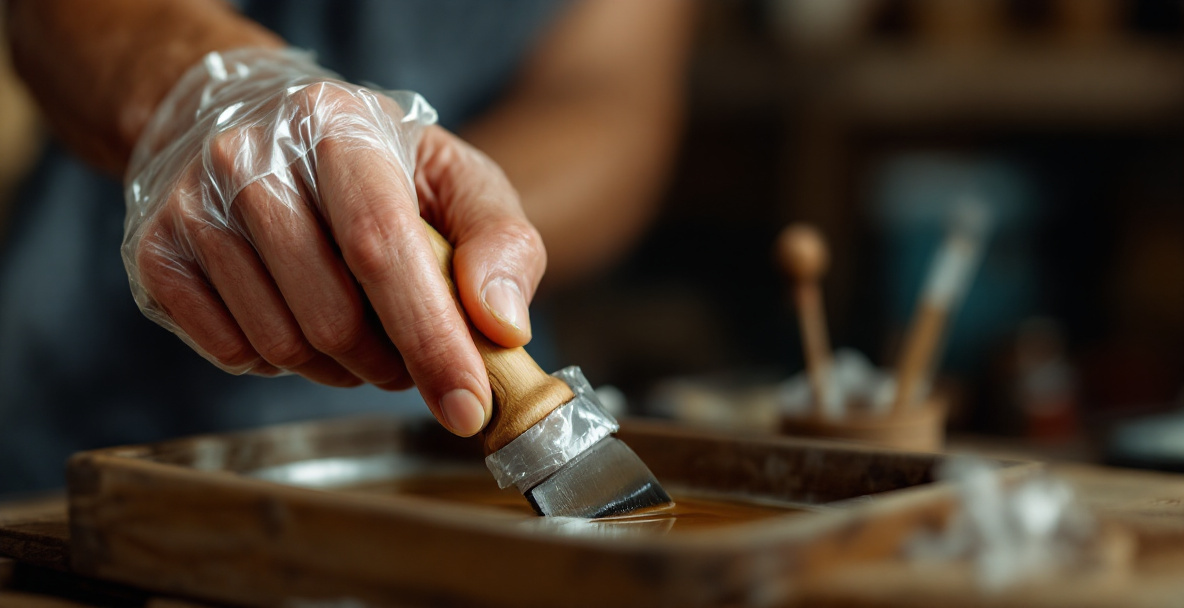
If the handle is fixed and can’t be removed, wrap it in plastic and tape it off above the metal, or only submerge the metal end in a shallow container. It’s slower, but it protects the one part vinegar was never meant to touch.
Is white vinegar the right method for every rusted tool?
Not always. Vinegar is the right call for moderate surface rust on tools you’re not in a rush to use — it’s cheap, safe to have around, and doesn’t require ventilation or protective gear beyond gloves. It’s the wrong call if you need a tool back in service today, or if you’re dealing with a precision surface like a plane sole where even mild etching matters.
For those situations, mechanical removal — wire wheel, sandpaper progression, or a rust eraser — is faster and gives you more control over how much material comes off. Some woodworkers combine both: a short vinegar soak to loosen the worst of it, then mechanical finishing to flatten and polish. This approach, along with a few other non-chemical options, is covered in this rundown of cleaning rust off tools without harsh chemicals.
This matters more than usual for anyone building a tool kit on a budget. Secondhand chisels, planes, and saws almost always come with some rust, and knowing when to soak versus when to grind it out saves both time and good steel. If you’re just getting your kit together, it’s worth reading up on which secondhand tools are actually worth buying before you sink hours into restoring something that was a poor buy to begin with.
Frequently Asked Questions
Can you use apple cider vinegar instead of white vinegar for rust?
Yes, apple cider vinegar also contains acetic acid and works similarly, but it’s usually more expensive and can leave a slight residue or smell compared to plain white vinegar. There’s no real performance advantage, so white vinegar remains the more practical choice for tool cleaning.
Will vinegar remove rust from a saw blade?
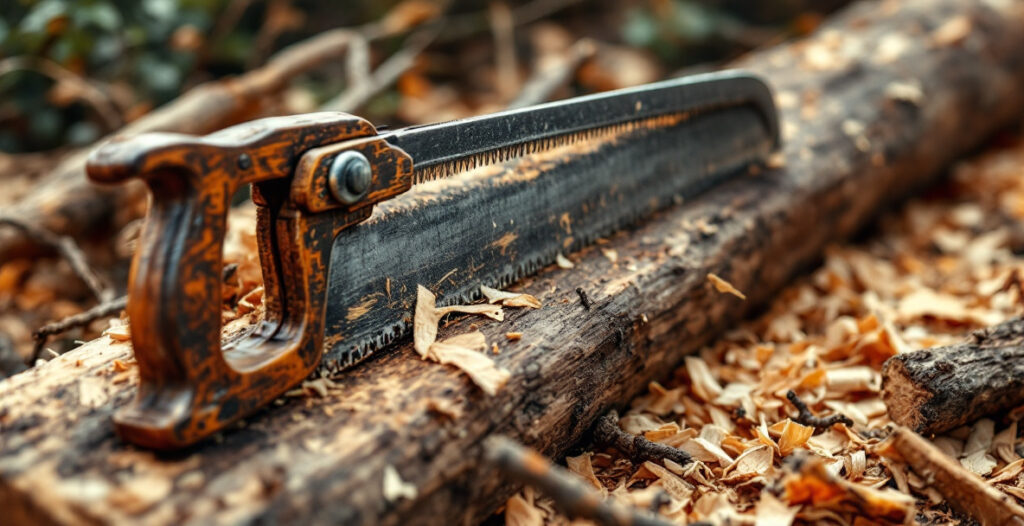
Yes, provided the blade is fully submerged. Because saw plates are thin and often have set teeth, check them more frequently than thicker tools — the thin edge can start etching sooner than a solid chisel body would.
How do you stop rust from coming back after cleaning?
Dry the tool completely, then apply a thin coat of oil immediately. Storing tools in a dry space, away from concrete floors and humid corners of a shed or garage, also cuts down on how fast rust returns.
Can you reuse vinegar for multiple rust removal soaks?
You can, though it gets weaker and slower with each use as it becomes saturated with dissolved iron. For heavily rusted tools, fresh vinegar works noticeably faster than a batch that’s already pulled rust off two or three previous tools.
Is it safe to pour used rust-removal vinegar down the drain?
Small household quantities are generally fine, but check local guidance if you’re disposing of large batches regularly, since the dissolved iron content can build up over repeated use.