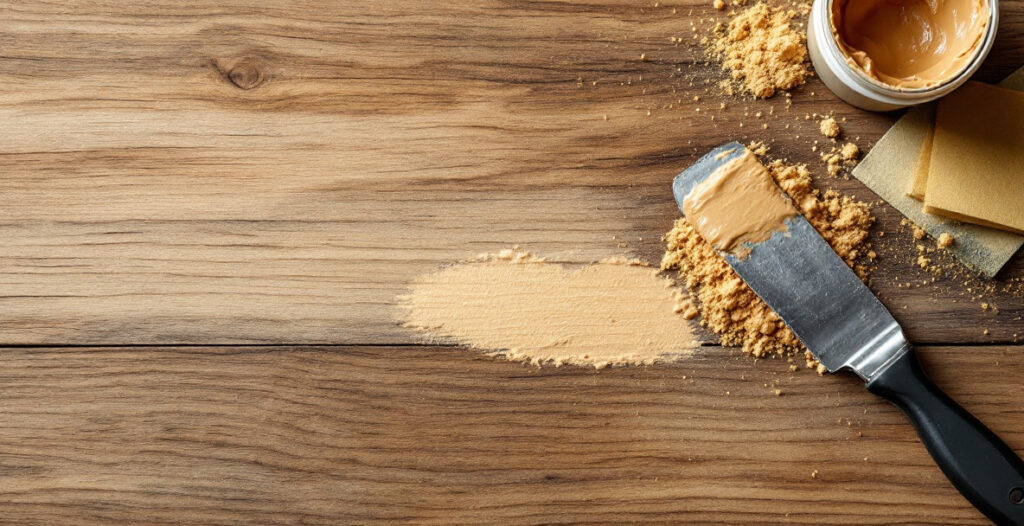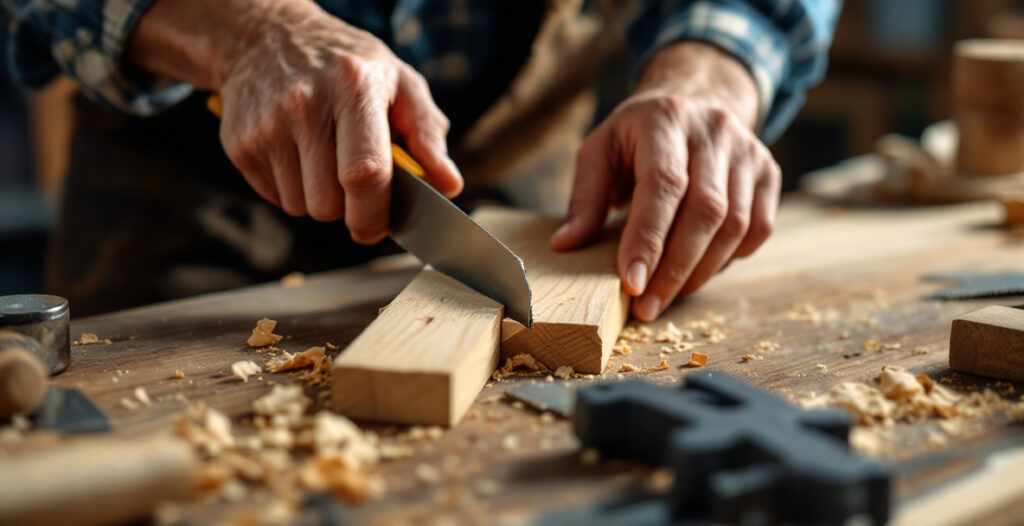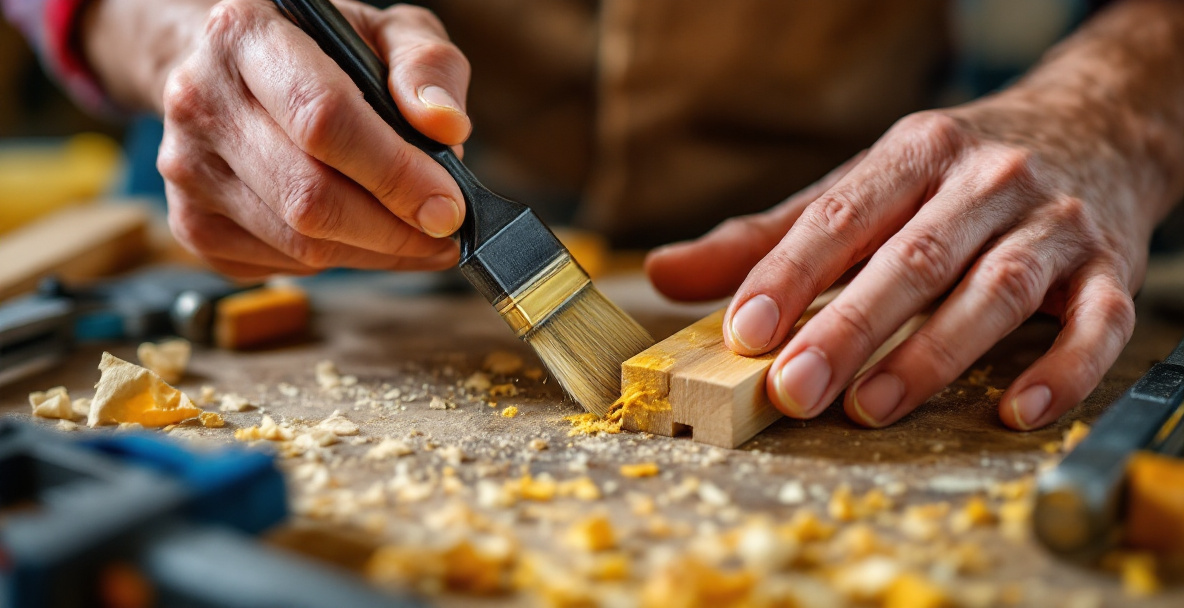
Woodworking adhesive is any glue formulated to bond wood fibers together, and the right type depends on the joint, the wood, and whether the piece lives indoors or out. For most furniture joinery, PVA (yellow) glue is the default choice because it’s strong, easy to clean up, and dries fast. For outdoor pieces or anything exposed to water, you need a waterproof formula like Titebond III or polyurethane glue instead. There is no single “best” glue — only the right one for the joint in front of you.
This isn’t a sales pitch for any brand. It’s a plain breakdown of what each adhesive type actually does, where it fails, and which one to reach for depending on the joint you’ve just cut.
What is woodworking adhesive, exactly?
Woodworking adhesive is a bonding agent designed to penetrate wood fibers and cure into a joint stronger than the wood itself. That last part matters — a correctly glued joint, in a well-fitted mortise and tenon or a dovetail, will usually fail somewhere other than the glue line if you stress it to breaking. The wood splits before the glue lets go.
Not all glue does this equally well. Craft glue, super glue, and hot glue can hold wood together temporarily, but they’re not built for the cross-grain stress and seasonal movement that real furniture joints endure. If you’re building something you intend to sit on, sleep in, or hand down, you want a glue formulated specifically for wood joinery, not whatever’s left over from a school project.
PVA glue: the everyday choice for most joints
PVA glue (the yellow stuff, sometimes called carpenter’s glue) is what most hand-tool builders reach for first, because it’s strong, forgiving, and cleans up with a damp rag before it cures. It sets in about 20-30 minutes and reaches full strength in 24 hours, which fits neatly into a weekend build schedule.
PVA comes in a few grades. Standard yellow glue (Type II) handles moderate moisture but isn’t meant for outdoor exposure. Titebond III and similar Type I formulas are fully waterproof and worth the small price difference if there’s any chance the piece sees rain, a damp basement, or repeated washing.
The main limitation of PVA is open time — the window you have to assemble and clamp before it starts to grab. On a complex glue-up with several joints going together at once, that can catch you out. Dry-fit everything first, every time, no exceptions.
Does PVA glue work for mortise and tenon joints?
Yes, PVA is the standard choice for mortise and tenon joints, and it’s what most of this site’s own joinery guides assume you’re using. The joint’s mechanical fit does most of the structural work; the glue fills the gaps and locks the fibers together once it cures.
For a tight, well-cut mortise and tenon, you don’t need much glue — a thin, even coat on both mating surfaces is enough. Over-gluing just creates squeeze-out you’ll be scraping off later, and excess glue inside a blind mortise can actually create hydraulic pressure that stops the joint from seating fully. If you’re still working out the fit itself, the guide to cutting a mortise by hand covers getting the joint tight before glue ever enters the picture.
Polyurethane glue: strong, foamy, and not always worth it
Polyurethane glue (Gorilla Glue is the best-known brand) bonds well to wood, cures fully waterproof, and works across a wider range of materials than PVA, including some plastics and metals. It needs moisture to cure, which is why instructions usually tell you to dampen one surface before applying it.
The tradeoff is the foam. Polyurethane expands as it cures, which means squeeze-out isn’t a neat bead you wipe away — it’s a crusty foam that has to be chiseled or sanded off, and it bonds to your clamps, your bench, and your fingers just as readily as it bonds to the wood. For most indoor furniture joinery, that mess isn’t worth it when PVA does the job cleaner.
Where polyurethane earns its place is outdoor furniture and anything combining wood with another material, where you need genuine waterproofing and don’t mind the cleanup. If you’re building something meant to live outside, it’s worth reading up on wood choice too — species like white oak and cedar resist rot on their own, and pairing durable wood with a waterproof glue gives you a joint that can actually survive the weather.
Hide glue: the traditional option, and why it still matters
Hide glue is an animal-protein adhesive that’s been used in furniture making for centuries, and it’s still worth knowing because it does one thing no modern glue does well: it can be reversed. Heat and moisture soften a hide glue joint, which means old furniture can be disassembled and repaired instead of destroyed.
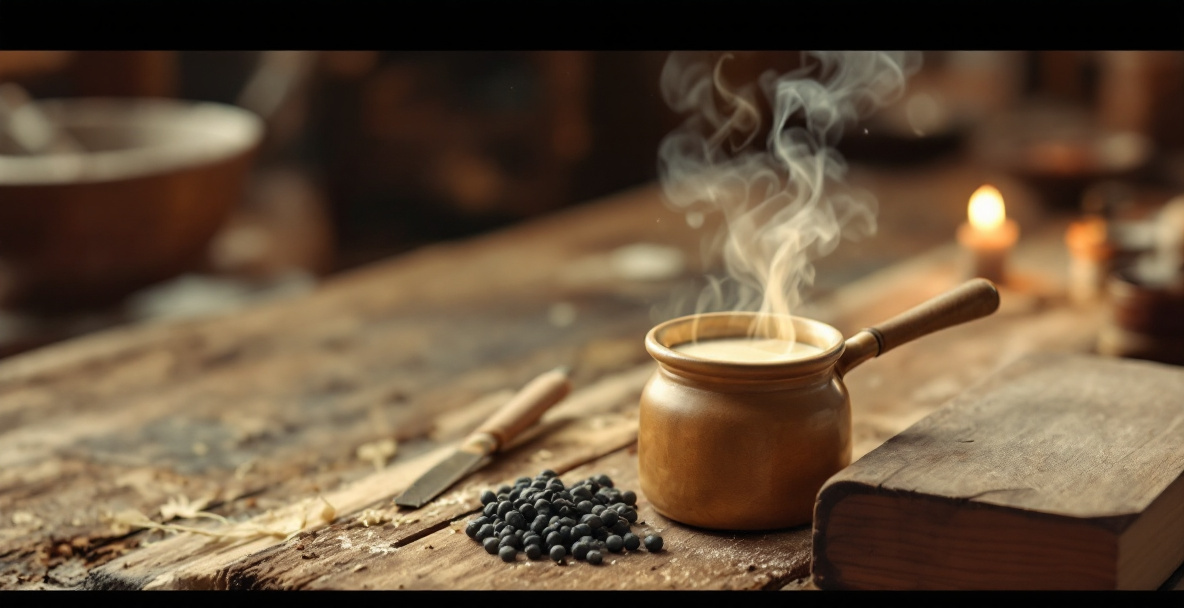
That reversibility is also why it’s the standard choice for veneer work and any repair job on antique furniture, since you may need to take the piece apart again someday. Liquid hide glue (sold ready-mixed) is more forgiving for hand-tool work than the traditional hot-pot version, which has to be heated and used quickly before it skins over.
Hide glue is weaker than PVA under sustained damp conditions and isn’t a good choice for anything that will see moisture. But for dry indoor furniture, drawer joinery, or veneer substrate work, it remains a legitimate option rather than a historical curiosity — a point raised directly by woodworkers comparing Woodworkingtalk.
Epoxy: the gap-filler for imperfect joints
Epoxy is a two-part adhesive that cures through a chemical reaction rather than evaporation, which means it works in thick layers and fills gaps that would make a PVA joint weak. That property matters more than people expect, because not every joint you cut by hand ends up perfectly tight.
If a tenon comes out a hair loose, or you’re bonding a crack, a knot, or an uneven repair, epoxy will bridge the gap and still hold. PVA, by contrast, is a poor gap-filler — it’s designed to work thin, and a loose joint glued with PVA alone is often weaker than no glue at all because the glue line itself has nothing to grip.
Epoxy’s downsides are cost, cure time (often hours, not minutes), and the fact that mixing ratios matter — get them wrong and it never fully hardens. It’s also not a glue to reach for casually on routine joinery; save it for repairs, gap-filling, and situations where a mechanical fit alone isn’t realistic.
How do you choose the right adhesive for a joint?
Match the glue to three things: how tight the joint fits, whether it will get wet, and whether you might need to take it apart later. Get those three questions answered honestly and the glue choice mostly picks itself.
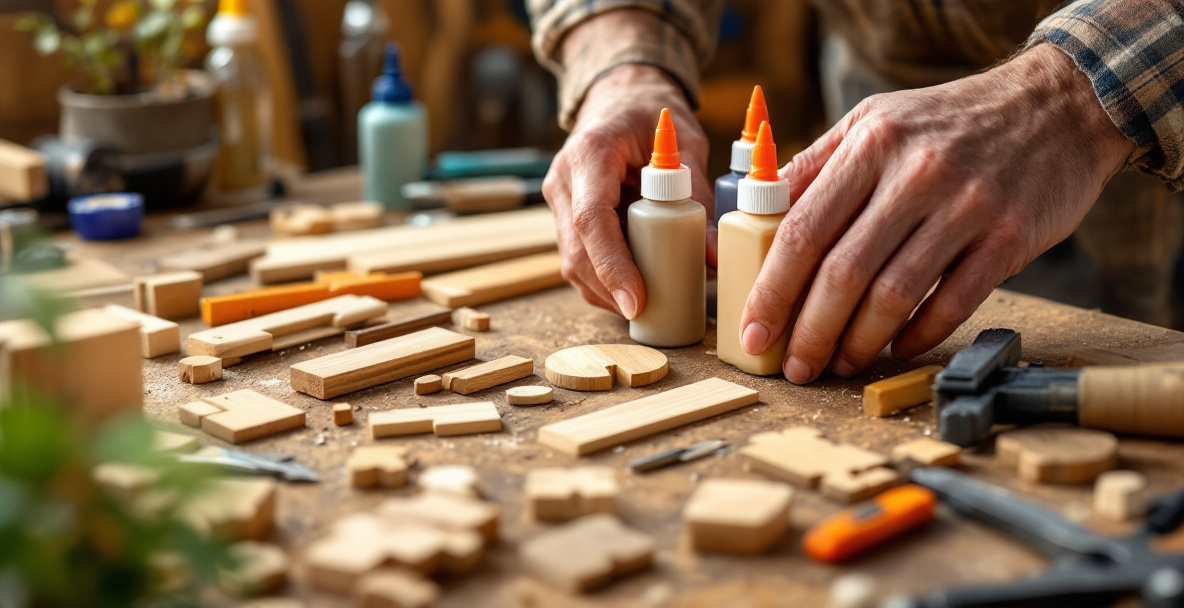
A tight, dry, permanent joint — most indoor furniture joinery — calls for standard PVA. A joint headed outdoors or somewhere damp calls for waterproof PVA (Type I) or polyurethane. A loose or gap-filled joint calls for epoxy. A joint you may want to reverse someday, like veneer or an antique repair, calls for hide glue. Outside of those categories, you’re usually overthinking it.
One factor that gets overlooked: wood species affects glue bond. Oily woods like teak and some exotic species resist glue adhesion because the natural oils interfere with penetration, and may need solvent-wiping the surface before gluing. If you’re working with an unfamiliar species, it’s worth checking how it behaves with glue before you commit a whole project to it — our breakdown of the best wood glue for furniture goes through specific product recommendations if you want names rather than categories.
Does glue alone make a strong joint?
No. Glue reinforces a well-cut joint — it does not rescue a badly cut one. A loose mortise and tenon, a gappy dovetail, or a butt joint with poor surface contact will fail regardless of how expensive the glue is, because there isn’t enough wood-to-wood contact for any adhesive to bond properly.
This is the actual reason hand-tool woodworking spends so much time on fit before glue ever comes out. Accurate layout with a marking knife and a tight-fitting joint cut by hand will outperform a sloppy joint and premium glue every time. Glue is the last five percent of the job, not a substitute for the first ninety-five.
Surface preparation matters too. Glue bonds to clean, flat wood fibers — not to dust, old finish, or a surface burnished smooth by a dull tool. If your joint faces feel glassy rather than slightly fibrous, that’s often a sign the tool was dull rather than sharp, and the surface won’t take glue as well as it should.
FAQ
Is wood glue stronger than the wood itself?
Often, yes. A properly cured PVA joint with good surface contact typically creates a bond stronger than the surrounding wood fibers, which is why glued joints tend to fail by the wood splitting elsewhere rather than the glue line separating.
How long should clamps stay on a glued wood joint?
Most PVA glues need 30 minutes to an hour of clamp pressure to set enough to handle, but full cure strength takes about 24 hours. Don’t stress-test the joint before then, even if it feels solid.
Can you glue over old glue on a repaired joint?
Not reliably. Old glue residue prevents new glue from bonding to the actual wood fibers, so any repair joint needs the old glue scraped or sanded off down to clean wood first.
What’s the difference between wood glue and construction adhesive?
Wood glue is formulated for wood-to-wood joinery and cures into a rigid, strong bond suited to furniture-level precision. Construction adhesives, like panel or trim adhesives sold for general building work, are designed more for gap-filling and holding materials in place during construction rather than precision joinery strength.
Does temperature affect how wood glue cures?
Yes. Most PVA and polyurethane glues need a minimum temperature, often around 55°F (13°C), to cure properly. Gluing in a cold shed or unheated garage can leave a joint weak even if it looks and feels set.