The best wood glue for furniture is a PVA (yellow) glue with a Type II or Type III water-resistance rating — it’s strong enough to outlast the wood itself in a properly cut joint, easy to clean up, and forgiving for hand-tool work where fit isn’t always machine-perfect. For most indoor furniture, a standard yellow glue like Titebond II does the job. For anything that might see moisture, go Type III.
That’s the short answer. The rest of this comes down to why, and where people get it wrong.
Why glue choice matters more than people think
A lot of beginners treat glue as an afterthought — grab whatever’s on the shelf, squeeze it in, clamp, done. But glue is doing real structural work in furniture, especially in joints cut by hand where tolerances are a little looser than a machine-cut joint.
A tight mortise and tenon joint glued with the right adhesive will typically fail in the wood before it fails at the glue line. That’s the standard you’re aiming for. Get the glue wrong — wrong type, expired, applied to a dirty or oily surface — and you’ve built a piece of furniture with a hidden weak point that might not show up for years.
What is the best wood glue for furniture?
For the vast majority of indoor furniture projects — stools, tables, cabinets, shelving — a standard yellow PVA glue is the best wood glue for furniture. It’s strong, cheap, dries relatively fast, and sands and finishes cleanly once cured.
Yellow glue (aliphatic resin, technically) has been the default in furniture-making for decades because it strikes a good balance: strong bond, reasonable open time to position parts, and it doesn’t gum up chisels or plane blades if a little squeezes out and you scrape it later. Gorilla Wood Glue and Titebond are two of the more common yellow glues you’ll see recommended, and both are widely available at hardware stores rather than specialty suppliers, which matters if you’re working from a shed with no easy access to a woodworking store.
PVA vs. polyurethane vs. epoxy
PVA glue is the right default for furniture joinery; polyurethane and epoxy are for specific problems, not everyday use. Polyurethane glue (like the original Gorilla Glue formula) foams as it cures and can bond dissimilar materials, but it’s messier and the foam-out needs to be cut away rather than sanded. Epoxy is stronger in gap-filling situations — where a joint isn’t perfectly tight — but it’s slower, pricier, and overkill for a well-cut mortise and tenon.
If your joints fit well, which is the whole point of taking time with hand-cut joinery, you don’t need epoxy’s gap-filling strength. Save epoxy for repairs or joints where the fit genuinely isn’t tight.
Hide glue: the traditional option worth knowing about
Hot hide glue doesn’t come up as often in modern shop talk, but it’s worth understanding, especially if you build reproduction furniture or care about reversibility. Hide glue has been used in furniture-making for centuries, and it has one property no PVA glue can match: it can be reactivated with heat and moisture, meaning a joint glued with hide glue can be taken apart cleanly decades later for a repair. That’s why antique furniture restorers almost always encounter hide glue rather than yellow glue.
The tradeoff is convenience. Hot hide glue needs to be kept warm and used relatively quickly before it gels, which means either a glue pot or working in small batches. Liquid hide glue, sold pre-mixed, solves the temperature issue but has a shorter open bond strength window and a shelf life that’s shorter than PVA. For a beginner building their first few pieces of furniture, hide glue isn’t necessary — but if you get into chair-making, veneer work, or restoration, it’s worth having a bottle around. It also has a practical shop advantage: squeeze-out cleans up easily with a warm damp rag, and any old glue residue can be re-dissolved rather than scraped or sanded off, which is a real time-saver on complex joinery like chairs with lots of glue surfaces.
Type I, II, and III: what the water-resistance ratings actually mean
The glue type ratings tell you how the bond holds up to moisture, not how strong it is overall. Type I is fully waterproof (rare for furniture, more common in boatbuilding). Type II resists moisture and occasional dampness — fine for most indoor furniture. Type III is water-resistant and holds up to more repeated exposure, better for kitchen furniture, outdoor-adjacent pieces, or anything that’ll get wiped down often.
If you’re building furniture for outdoor use, the wood species matters as much as the glue — but pair a durable outdoor wood with a Type III glue at minimum, and don’t expect any wood glue to handle constant direct rain exposure well long-term.
Does glue strength actually matter for hand-cut joints?
Yes, but less than people assume — a well-fitted mortise and tenon joint relies on mechanical strength from the wood-to-wood contact first, and glue second. The glue is there to lock that fit permanently, not to compensate for a sloppy cut.
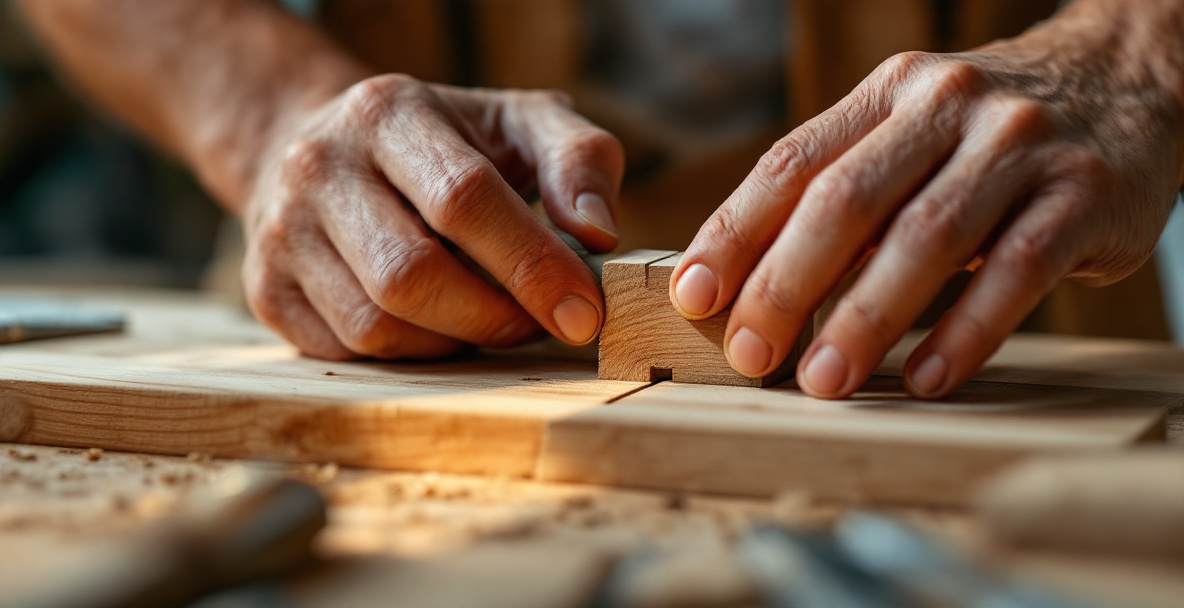
This is actually good news for hand-tool builders. You don’t need the strongest glue on the market if your joinery is sound. Woodworkers who’ve tested various glues for actual failure strength generally find that most name-brand PVA glues perform close enough to each other that the difference rarely matters in practice — the joint geometry and fit matter more than which bottle you bought. One glue strength comparison tested several common brands side by side and found the gaps between them were smaller than most people expect.
Does more clamping pressure mean a stronger joint?
No — past a certain point, more clamp pressure just squeezes excess glue out of the joint rather than making it stronger. You want firm, even pressure that closes any small gaps and holds the joint still while it cures, not a clamp cranked down until the wood creaks.
Over-clamping a PVA glue-up can actually starve the joint of glue, since PVA glues rely on a thin, even film to bond properly. Snug is enough. If squeeze-out is dripping everywhere, you probably used too much glue rather than too little clamp pressure.
How to apply wood glue correctly for a strong joint
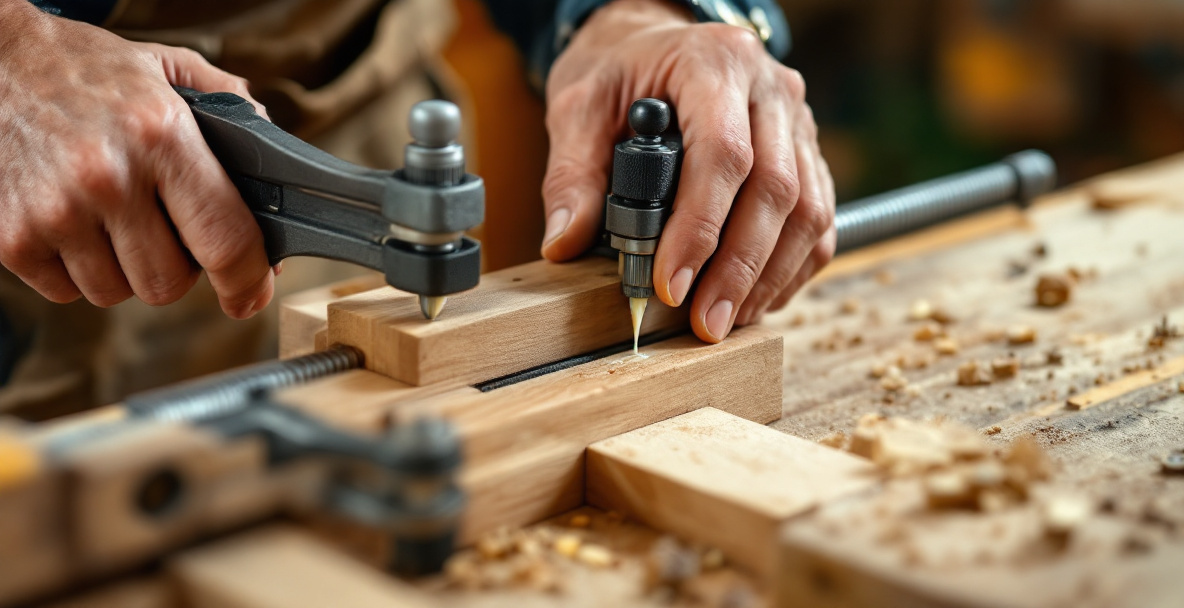
Apply glue to both mating surfaces, spread it thin and even, and clamp within the glue’s open time — usually 5 to 10 minutes for standard yellow glue. Wipe excess squeeze-out with a damp rag before it skins over, since dried glue under a finish will show up as a blotchy patch that won’t take stain evenly.
For a mortise and tenon joint specifically, don’t overfill the mortise. Excess glue with nowhere to go creates hydraulic pressure that can actually prevent the tenon from seating fully, leaving a gap you won’t see until the joint is under load. A thin coat on the tenon cheeks and a light coat inside the mortise walls is enough.
Dust and old finish are the enemy of a good glue bond. If you’re reusing reclaimed wood or gluing a repair, scrape and sand the surface back to clean wood first. Glue doesn’t bond well to dirt, wax, or old finish — it bonds to bare wood.
Temperature and humidity in your shop also affect how glue behaves, and it’s an easy variable to overlook. Most PVA glues are formulated to be used somewhere between 50°F and 90°F. Glue up in a cold shop and the glue can thicken, extending open time in a way that throws off your rhythm, or in worse cases fail to form a proper bond at all. In a very dry, hot shop, the opposite problem shows up — the glue can skin over faster than expected, so you’re clamping a joint that’s already partially set on the surface. If your shop swings with the seasons, it’s worth checking the label for the manufacturer’s working temperature range rather than assuming any time of year is fine.
Do you need different glue for outdoor vs. indoor furniture?
Yes — indoor furniture only needs Type I or Type II glue, while anything exposed to weather, humidity swings, or regular washing should use Type III at minimum. This isn’t about total strength; it’s about how the bond holds up when moisture gets into the joint repeatedly over years.
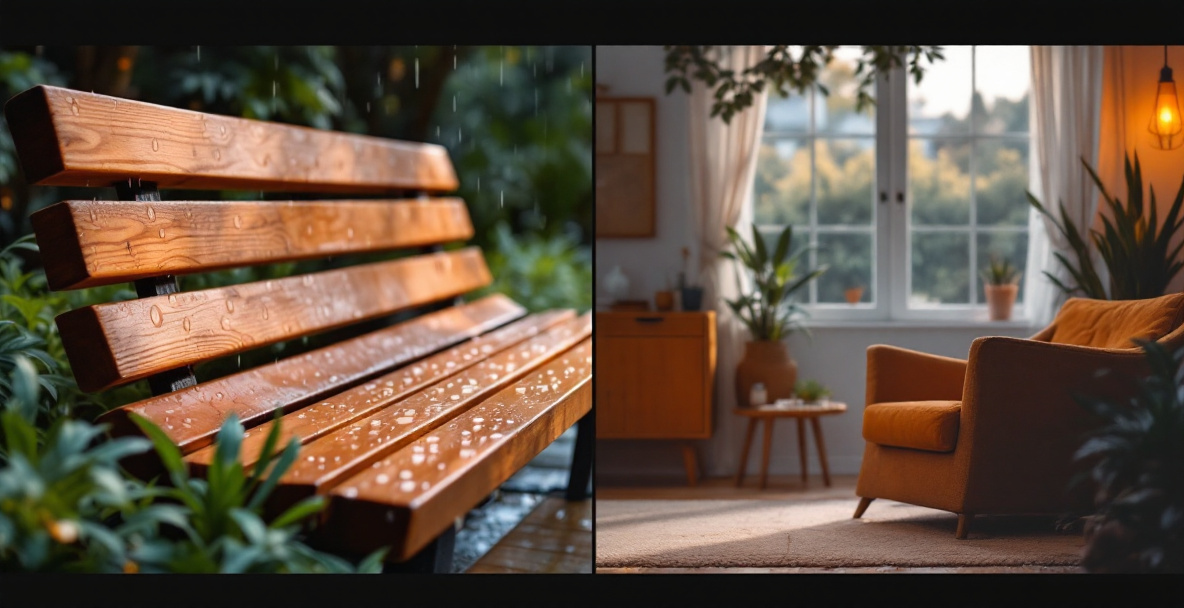
Keep in mind that no PVA glue, regardless of type rating, is a substitute for proper joinery and finish on true outdoor pieces. A bench left in the rain will eventually fail at the joints no matter what glue you used — the glue buys you resistance, not immunity.
Do you really need the “strongest” glue on the market?
No — for the vast majority of furniture builds, chasing the single strongest glue is solving a problem you don’t have. Discussions among woodworkers about the strongest glue for wood tend to circle back to the same point: joint design and fit matter more than shaving a few hundred PSI off a spec sheet.
Where this actually matters is repairs and non-ideal joints — a crack, a loose old joint you’re re-gluing without being able to fully clean it out, or a gap you can’t close with clamping. In those cases, a gap-filling glue like epoxy earns its keep. For new furniture built with tight hand-cut joints, standard PVA is the practical, no-drama choice.
Frequently asked questions
Can I use wood glue alone without any mechanical joint?
You can, but it’s not the best approach for load-bearing furniture. Glue alone, without a mechanical joint like a mortise and tenon or dowel, relies entirely on surface-to-surface adhesion, which is weaker under stress like racking or repeated use. Use glue to lock a well-fitted joint, not to replace one.
How long does wood glue need to dry before I can work the piece?
Most PVA glues reach handling strength in about 30 minutes to an hour, but full cure — the point where the bond reaches its final strength — typically takes 24 hours. Wait the full cure time before putting real load on the joint, even if it feels solid sooner.
Does old wood glue go bad?
Yes. PVA glue that’s been frozen, sat for years, or thickened into a gel-like consistency won’t bond reliably. If it’s separated, lumpy, or won’t spread thin and smooth, replace it — a bottle of glue is cheap insurance compared to redoing a joint.
Is Gorilla Wood Glue actually different from Titebond?
They’re both yellow PVA glues and perform similarly for standard furniture joinery. Gorilla Wood Glue is a Type II formula, comparable to Titebond II — pick based on availability and price rather than assuming one has a meaningful edge for typical furniture work.
Should beginners worry about glue choice more than joint quality?
No. Joint quality — how tightly and accurately a mortise and tenon or other joint is cut — matters more than which bottle of glue you use. If you’re still building confidence with hand-cut joinery, that’s the better place to spend your attention.