Oxalic acid wood treatment removes water rings, rust-colored streaks, and dark tannin stains by dissolving the iron and mineral compounds that cause the discoloration in the first place. Mixed with water and brushed or sponged onto the affected area, it works on most hardwoods and softwoods within a few hours to a day. It won’t fix every stain — paint, oil-based finishes, and deep burn marks are a different problem — but for the specific discoloration caused by moisture meeting iron or tannin, it’s the most reliable fix available to a hobbyist without a spray booth or specialty chemicals.
Why does wood turn black or gray from water or rust?
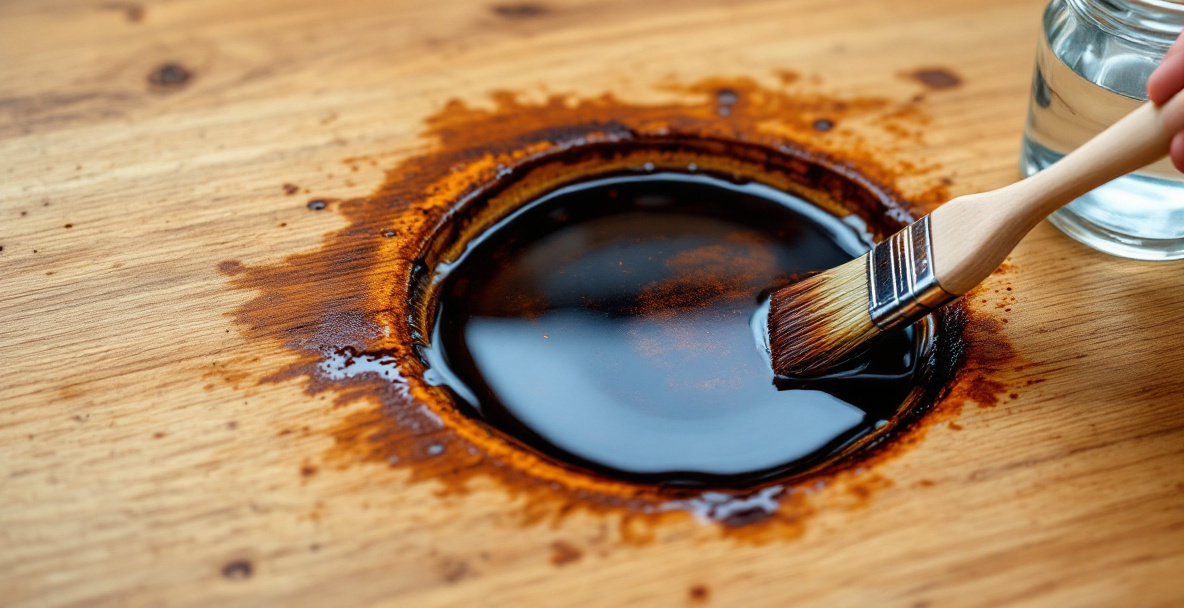
Dark stains on wood almost always come from a chemical reaction, not dirt. When iron — from a nail, a staple, a tool left on a board, or even water with dissolved minerals — meets the tannins naturally present in wood like oak, it forms iron tannate. That’s the same chemistry behind old-fashioned iron-gall ink, and it’s why the stain looks almost black rather than brown.
High-tannin woods like oak, walnut, and cherry are the most prone to this. A wet metal clamp left overnight, a rusty nail under a rug, or just humid air sitting against a nail head can leave a mark that won’t sand out easily, because the discoloration has soaked into the fibers, not just the surface.
Does regular sanding remove these stains?
Usually not completely. Sanding removes surface-level discoloration, but iron tannate and deep water stains penetrate below what you can safely remove without thinning the board. You’ll often sand through the visible mark only to find it’s still there a sixteenth of an inch down, especially on open-grained woods like oak.
How does oxalic acid actually remove the stain?
Oxalic acid works by chemically breaking the bond between the iron and the tannins, converting the dark iron tannate back into a colorless, soluble compound that rinses or wipes away. It’s effectively reversing the same reaction that caused the stain.
This is different from bleach-based lightening, which oxidizes and lightens wood color generally. Oxalic acid is targeted — it does very little to wood that isn’t stained, which is why it’s good at treating a single ring or streak without bleaching the whole tabletop around it.
Step-by-step: treating water, rust, and tannin stains
Here’s a straightforward process that works on a workbench or a garage floor, no fume hood required — just ventilation and basic protection.
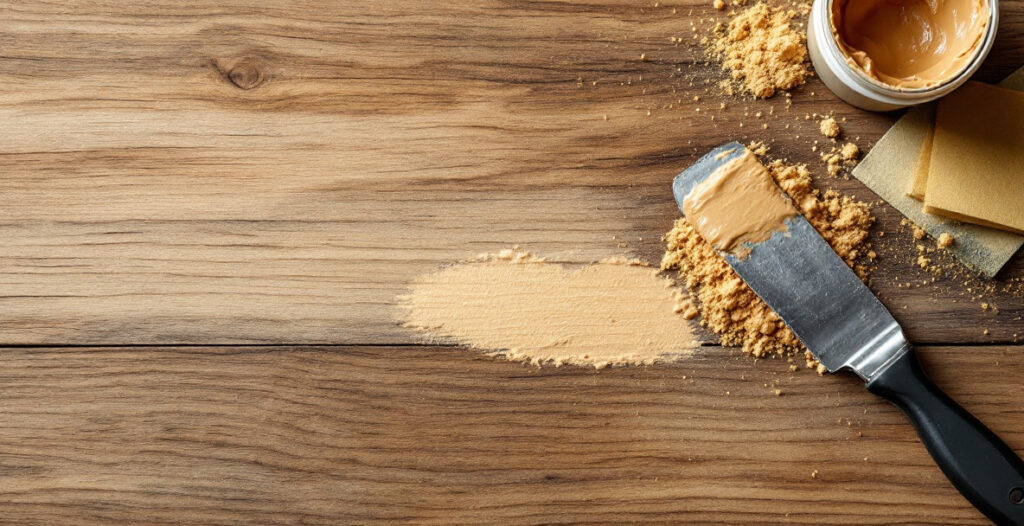
- Sand lightly first. Remove any finish, wax, or surface dirt so the acid can reach bare wood. You don’t need to sand deep, just enough to expose the wood.
- Mix the solution. A standard approach is dissolving oxalic acid crystals into hot water until no more will dissolve, creating a near-saturated solution. Exact ratios vary by brand and intended use, so check the product’s own instructions before mixing.
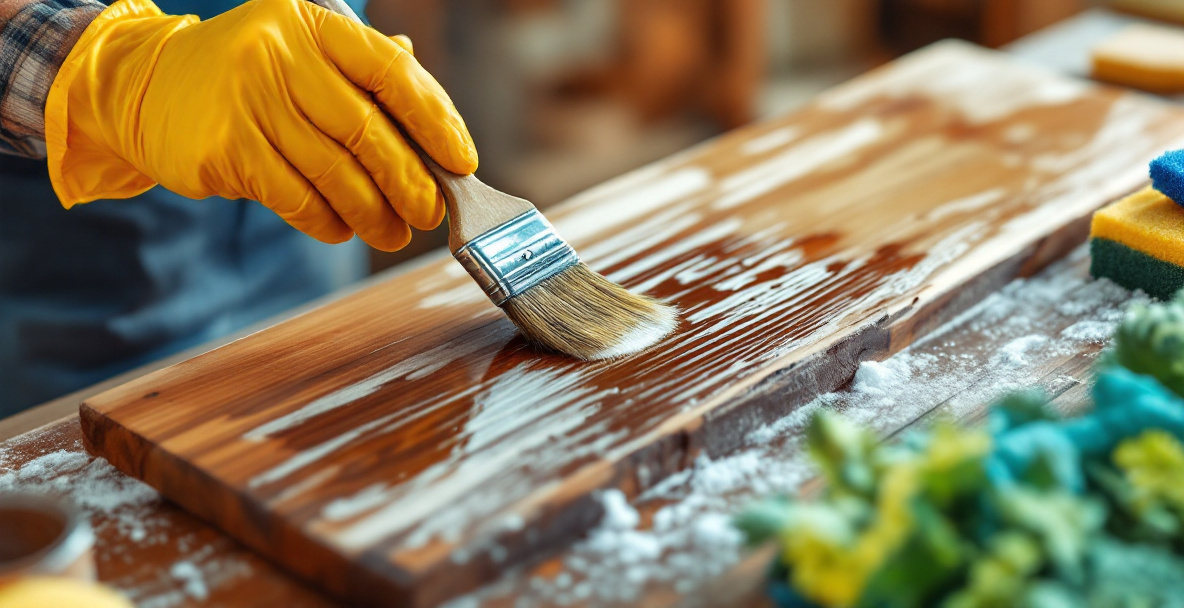
- Apply with a brush or sponge, working it into the stain and slightly beyond its edges so you don’t leave a hard line.
- Let it sit. Stubborn rust and water stains can take several hours, sometimes overnight, to fully lift. Reapply if the mark is only partially gone.
- Neutralize and rinse. Wipe down with clean water, or a mild baking soda solution, to stop the reaction and remove residue before it dries into the grain.
- Let the wood dry fully — at least 24 hours — before sanding smooth and finishing.
Full mixing ratios, dilution strength, and storage advice are covered in more detail in our oxalic acid wood bleach mixing guide, since getting the concentration wrong is the most common reason people get disappointing results.
What tools and supplies should you have on hand?
A basic kit makes the process smoother and reduces the chance of a half-finished job sitting around with wet acid on it. You’ll want a plastic or glass container for mixing — never metal, since the acid will react with it — along with a natural-bristle or synthetic brush that isn’t going to disintegrate in an acidic solution. Keep a separate container of clean water and baking soda nearby for the neutralizing step, plus rags dedicated only to this job that you won’t reuse for other cleaning. A plastic drop cloth or old towel under the workpiece saves your bench or floor from splash marks, which can themselves leave faint discoloration on unsealed wood. If you’re treating a vertical surface or something that can’t be laid flat, a spray bottle with a fine mist setting can help you keep the solution localized rather than running down the grain and spreading beyond the stain’s edges.
What safety precautions matter most?
Oxalic acid is toxic if ingested and irritating to skin, eyes, and lungs, so gloves, eye protection, and a well-ventilated space are non-negotiable, not optional extras. It’s a solid crystal most of the time, sold as a wood brightener or deck cleaner, and it’s genuinely effective — but it’s still a poison, and it should be stored well away from anything that could be mistaken for food or drink.
Work outside or with a window open and a fan running. Avoid mixing it in a space with poor airflow, and never combine it with bleach or other cleaning chemicals — the two can react in ways you don’t want to be standing near.
Does oxalic acid work on all wood types and stains?
It works best on stains caused by iron-tannin reactions and mineral deposits from hard water, and less well on stains from oil, grease, paint, or UV graying that isn’t tied to iron. On high-tannin woods — oak, walnut, mahogany — it’s particularly effective because that’s exactly the chemistry it targets.
On low-tannin woods like pine or maple, water stains are more often caused by trapped moisture itself rather than an iron reaction, and oxalic acid will have a weaker effect. In those cases, light sanding or a heat-based moisture fix often does more.
Can oxalic acid also remove rust from the tools that caused the stain?
That’s a separate but related job, and oxalic acid is also a legitimate option for pulling rust off the tool itself, not just the wood it stained. If the nail, chisel, or clamp that caused your stain is rusty, it’s worth treating the tool too so it doesn’t cause the same problem again. For tool rust specifically, see our comparison of rust removal methods, which covers where acid soaks fit alongside mechanical and electrolytic options.
Oxalic acid vs. bleaching the whole board
If the stain is isolated — a single ring, one dark streak near an old nail — oxalic acid lets you treat just that spot without lightening the rest of the piece. That’s its real advantage over a full bleach treatment: you’re not trying to match color across an entire tabletop afterward.
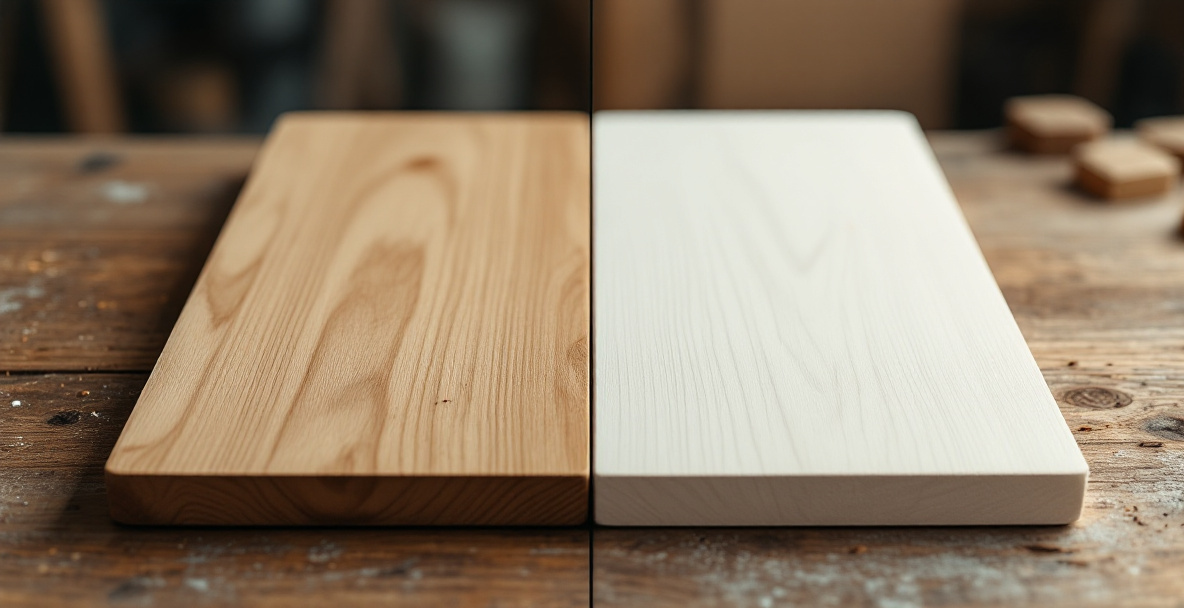
If the whole board has gone gray from age and weathering rather than a localized stain, that’s a broader bleaching job, and the approach and dilution are different. Our guide on using oxalic acid for bleaching wood covers that full-surface case separately, since treating weathering evenly across a whole board takes a different technique than spot-treating one mark.
What happens after the stain is gone?
Once the wood dries, it will likely look slightly lighter and more raw than the surrounding area, almost like unfinished wood that’s been freshly sanded. That’s normal — oxalic acid lifts the stain and some natural color along with it, and the spot will need to be blended back in before finishing.
Light sanding with a fine grit, followed by a finish that matches the rest of the piece, usually brings the color back in line. If you’re finishing with shellac, our guide to applying shellac by hand walks through getting an even coat without spray equipment, which matters more than usual when you’re trying to blend a treated patch into surrounding wood.
Will the stain come back?
If the original cause — a rusty fastener, chronic moisture, a metal object left in contact with the wood — isn’t removed, yes, the stain can return. Oxalic acid fixes the symptom, not the source. Pull the offending nail, dry out the damp spot, or move whatever metal object caused the reaction before you call the repair finished.
What if the stain only partially lifts?
Partial results are common on old, deeply set stains, and they don’t necessarily mean the treatment failed. A second application, left to sit longer than the first, often finishes the job that one pass couldn’t. Before reapplying, let the wood dry completely and take a close look in good light — sometimes what looks like a remaining stain is actually a slight color difference from the surrounding wood rather than unreacted iron tannate, in which case sanding and refinishing will resolve it rather than another acid treatment. If repeated applications genuinely aren’t moving a dark spot at all, it’s worth considering whether the discoloration might be something other than an iron or tannin stain, such as a dye, ink, or a finish that’s chemically altered the wood underneath.
FAQ
Is oxalic acid the same as wood bleach you buy at a hardware store?
Often, yes. Many commercial “wood brighteners” sold for decks and furniture are pure oxalic acid crystals, just packaged and labeled for a specific use. Checking the ingredient list is the fastest way to confirm what you’re actually buying.
How long does it take to see results?
Light stains can lift in under an hour. Deep, old iron-tannin stains can take several hours or an overnight soak, sometimes with a second application needed. Patience matters more than concentration here — a weaker solution left longer often beats a strong one rushed.
Can I use oxalic acid on finished furniture without stripping it first?
No. The acid needs to reach bare wood to react with the stain underneath. Varnish, paint, wax, or oil finishes block it, so sanding or stripping the finish off the treated area first is a required step, not an optional one.
Is oxalic acid dangerous to use indoors?
It can be, if the space isn’t ventilated. The dust and solution are irritating to skin and lungs, and it’s toxic if swallowed. Work outside or near an open window, wear gloves and eye protection, and keep it away from kids, pets, and food-storage areas.
Does it work on outdoor furniture left in the rain?
Yes, this is one of its most common uses — treating gray, weathered, or water-stained outdoor wood. For furniture built from naturally rot-resistant species, it’s worth pairing the stain removal with the right wood choice in the first place; our guide to wood for outdoor furniture covers species that resist this kind of staining to begin with.