Oxalic acid wood bleach is a crystalline acid, typically mixed at a ratio of about 1 ounce of oxalic acid crystals per pint of hot water (roughly 1:16 by volume), used to strip iron stains, tannin discoloration, and gray weathering out of raw wood. It doesn’t lighten wood’s natural color the way chlorine bleach does — it specifically targets the dark stains caused by moisture reacting with iron (from nails, screws, or tool marks) or tannins in woods like oak. Applied with a brush, left to dry, then rinsed, it’s one of the few chemical treatments that actually reverses that kind of damage instead of just masking it.
This isn’t a new or exotic product. It’s the same acid found in rhubarb leaves and in commercial deck cleaners, sold as plain white crystals. If you’ve ever dealt with a piece of reclaimed lumber that has black streaks radiating out from an old nail hole, this is almost certainly your fix. We’ve covered the full application process elsewhere — this article focuses specifically on getting the ratios, safety, and storage right, since that’s where most people either waste the acid or hurt themselves.
What is oxalic acid wood bleach used for?
Oxalic acid wood bleach removes iron-tannin stains — the black or gray-blue marks that show up where metal has touched damp wood — and lifts general gray weathering from wood left outdoors. It does not bleach the wood’s own natural pigment; it only reverses chemical staining and UV-graying.
That distinction matters because a lot of people buy oxalic acid expecting it to lighten naturally dark wood like walnut or mahogany. It won’t do that. What it will do is take a century-old oak beam covered in black streaks from corroded fasteners and bring it back to something close to its original color. It’s also a standard step in restoring old outdoor furniture and decking that’s gone silvery-gray from sun and rain.
Mixing ratios for oxalic acid wood bleach
A standard working solution is about 1 ounce of oxalic acid crystals dissolved in 1 pint (16 fl oz) of hot water — roughly a 1:16 ratio by volume, or approximately 30 grams per 500 mL if you’re working in metric. This gives a solution strong enough to lift most iron and tannin staining without wasting acid on an oversaturated mix.
Hot water matters here — oxalic acid crystals dissolve far more readily in hot water than cold, and an undissolved crystal sitting on the wood surface won’t do anything useful. Stir until the solution runs clear, with no grit settling at the bottom of the container. If you’re dealing with stubborn, deep staining, it’s better to apply a second coat once the first has dried than to mix a stronger solution — a saturated solution doesn’t work meaningfully faster, it just increases the amount of acid you’re handling and rinsing off.
How much oxalic acid do you need for a small project?
For a single tabletop or a handful of stools, a quarter to half a pound of crystals is more than enough — you’ll use maybe an ounce or two per application and the rest keeps for years if stored properly. Oxalic acid is sold in small quantities specifically because a little goes a long way; there’s rarely a reason for a hobbyist to buy in bulk.
How do you apply oxalic acid wood bleach correctly?
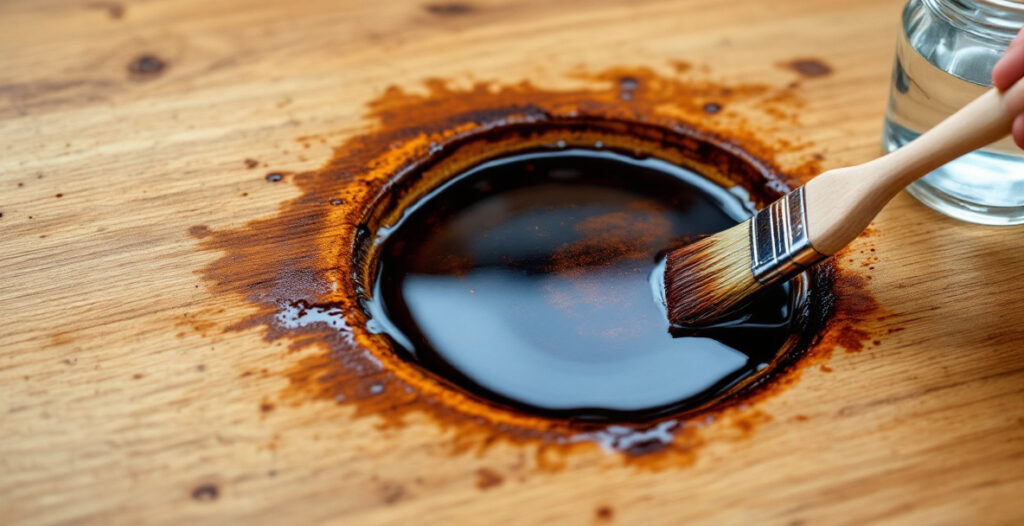
Brush the dissolved solution onto bare, sanded wood with a synthetic-bristle brush (natural bristle can react with the acid), let it sit until the wood dries and the stain visibly lightens — usually 15 to 30 minutes — then neutralize and rinse with clean water. Repeat on stubborn spots rather than leaving the first coat on longer.
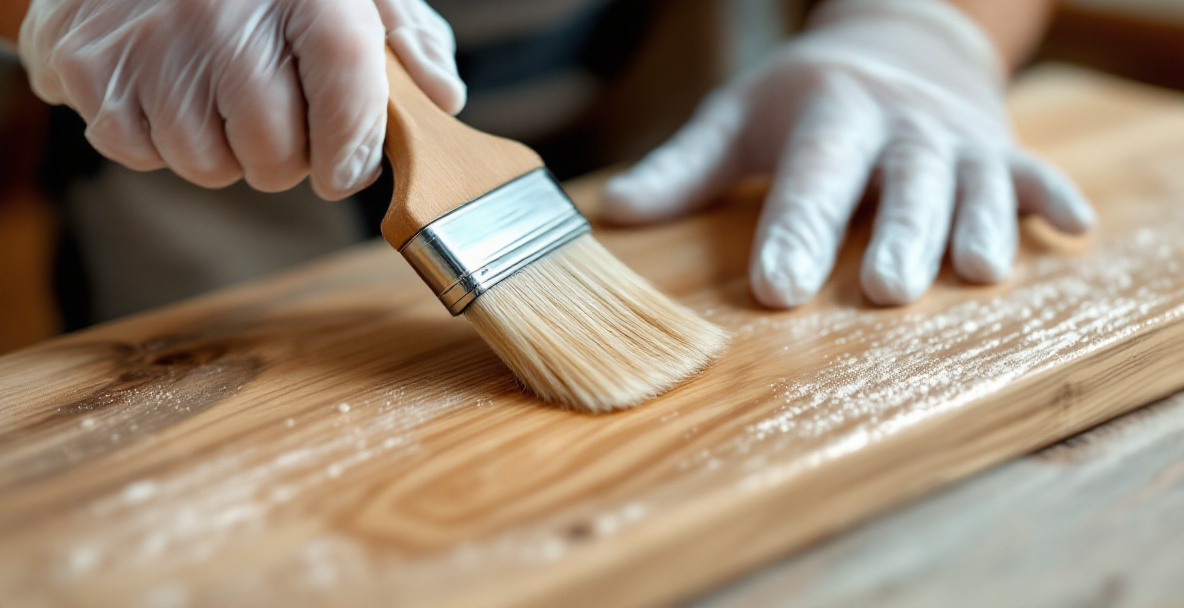
The wood needs to be bare for this to work — no old finish, wax, or oil on the surface, since those block the acid from reaching the stain. If you’re working on a board that still has an old varnish or paint layer, you’ll need to strip and flatten it first. For getting a board back to bare, flat wood before bleaching, a hand plane does the job without power tools; our guide to planing wood by hand covers the technique if you’re starting from a rough or finished board.
Some woodworkers add a neutralizing rinse of baking soda and water after the acid rinse, since residual acid can continue reacting with the wood fibers over time and slightly alter how a finish takes later. It’s a cheap extra step and worth doing, especially if you plan to oil or stain the piece afterward.
Is oxalic acid wood bleach safe to use?
Oxalic acid is toxic if ingested and irritating to skin, eyes, and lungs in both crystal and dissolved form — it should be handled with gloves, eye protection, and good ventilation, and kept away from children and pets. It is not something to mix or apply casually indoors with the windows shut.
The crystals themselves are the more dangerous form to handle carelessly, since airborne dust can be inhaled while measuring or pouring. A dust mask during mixing, followed by nitrile gloves during application, covers the real risk points. Skin contact with the diluted solution causes irritation rather than serious burns for most people, but it’s not something to work in bare-handed for the sake of speed.
What should you avoid mixing oxalic acid with?
Don’t mix oxalic acid with bleach (sodium hypochlorite) or other chlorine-based cleaners — the combination can produce toxic chlorine gas. Keep oxalic acid solutions and storage completely separate from any household bleach products, both physically and in terms of container labeling.
This is the single most important safety rule with this chemical, and it’s easy to break by accident if you’re storing cleaning products together in a shed or garage. Label the container clearly and store it apart from anything else on the shelf that says “bleach.”
How should you store oxalic acid crystals and solution?
Store unused oxalic acid crystals in their original sealed container, in a cool, dry place, clearly labeled, and out of reach of children and pets — the crystals are stable indefinitely if kept dry. Mixed solution should be used the same day or within a few days; it doesn’t keep well and loses effectiveness once it’s absorbed moisture and airborne contaminants from being left open.
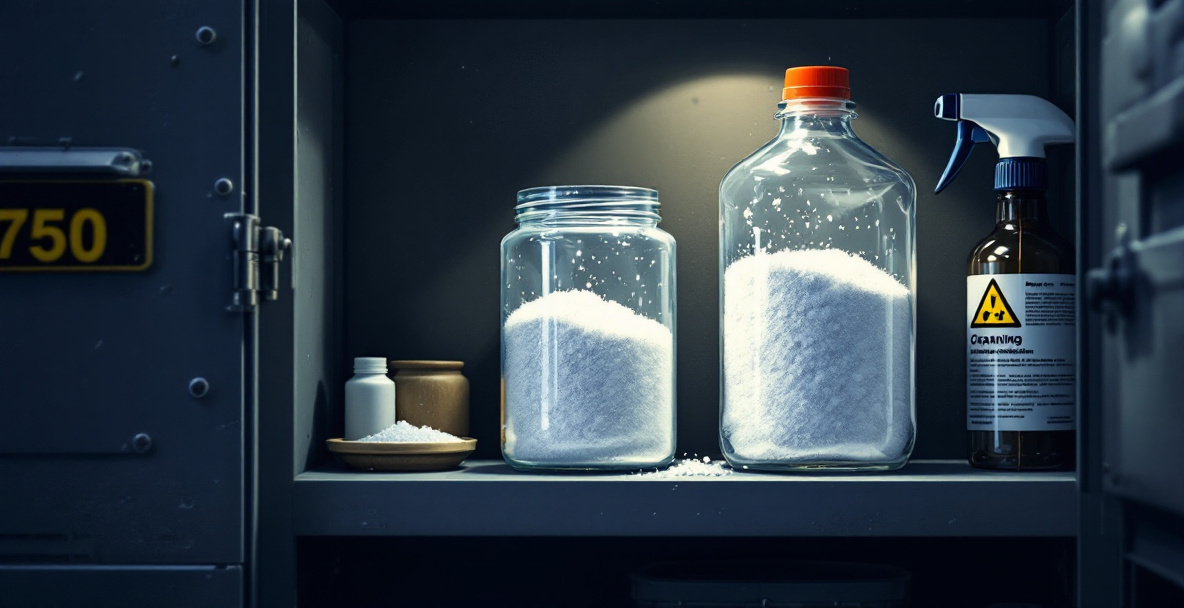
Don’t store the crystals in an unlabeled jar, and never store them anywhere near food, drink containers, or anything that could be mistaken for sugar or salt — this is a genuinely dangerous mix-up that has sent people to hospital. A locked cabinet or a high shelf in the shed, in the original packaging, is the sensible standard.
If you have leftover mixed solution, it’s not worth keeping. Neutralize it with baking soda before disposal and pour it down a drain with plenty of running water, rather than storing a jar of diluted acid “just in case” for next time.
Oxalic acid wood bleach vs. other stain removal methods
Oxalic acid is the right tool specifically for iron and tannin stains and weathering — it’s not a general-purpose wood cleaner, and it won’t do anything for rust on your tools themselves. If it’s your chisels or plane irons that are rusted rather than the wood, a vinegar soak or mechanical removal is the better route; see our comparison of rust removal methods for what actually works there.
It’s also worth knowing what oxalic acid won’t fix. Genuine sun-fading of dark heartwoods, machine burn marks, or general dirt and grime need sanding or a solvent cleaner, not acid bleach. Reach for oxalic acid specifically when you’re looking at black or blue-black staining, or a gray, weathered surface on outdoor wood — not as a default first step for every discolored board.
Commercial suppliers selling oxalic acid specifically for wood bleaching, such as Mannlake, typically sell it in small pre-measured quantities for exactly this reason — most home projects don’t need much.
FAQ
Can oxalic acid wood bleach be used on outdoor furniture?
Yes — it’s one of the most common uses for it. Weathered decking, outdoor tables, and benches that have gone gray from sun and rain respond well to an oxalic acid treatment, often bringing the wood back close to its original tone before refinishing with an oil or sealer.
Does oxalic acid wood bleach lighten the natural color of wood?
No. It removes stains caused by iron and tannin reactions or UV weathering, but it doesn’t lighten the wood’s own natural pigment. A naturally dark wood like walnut will still be dark after treatment — oxalic acid isn’t a substitute for chlorine-based bleaches used for that purpose.
How long does oxalic acid take to bleach wood stains?
Most stains lighten noticeably within 15 to 30 minutes of the solution drying on the wood. Stubborn or deep staining may need a second application after the first has fully dried and been rinsed, rather than a longer single application.
Is it safe to sand wood after using oxalic acid bleach?
Yes, once the wood is fully dry and has been rinsed and neutralized. Sanding while any acid residue remains can create irritating dust, so always rinse thoroughly and let the wood dry completely before sanding or applying a finish.
Can you reuse leftover oxalic acid solution?
It’s not recommended. Mixed solution degrades within a few days and loses potency, so it’s better to mix only what you need for the current project and neutralize and dispose of any leftover liquid rather than storing it for later use.