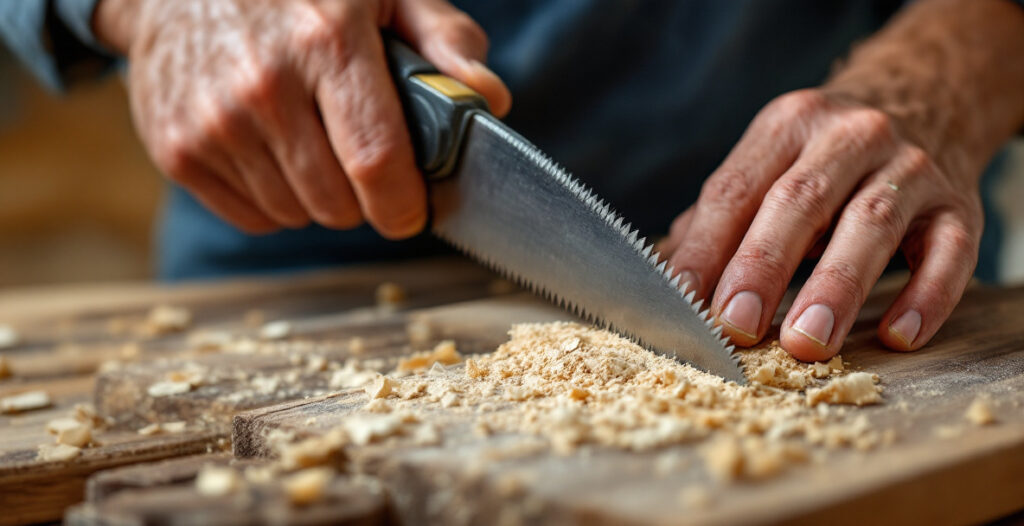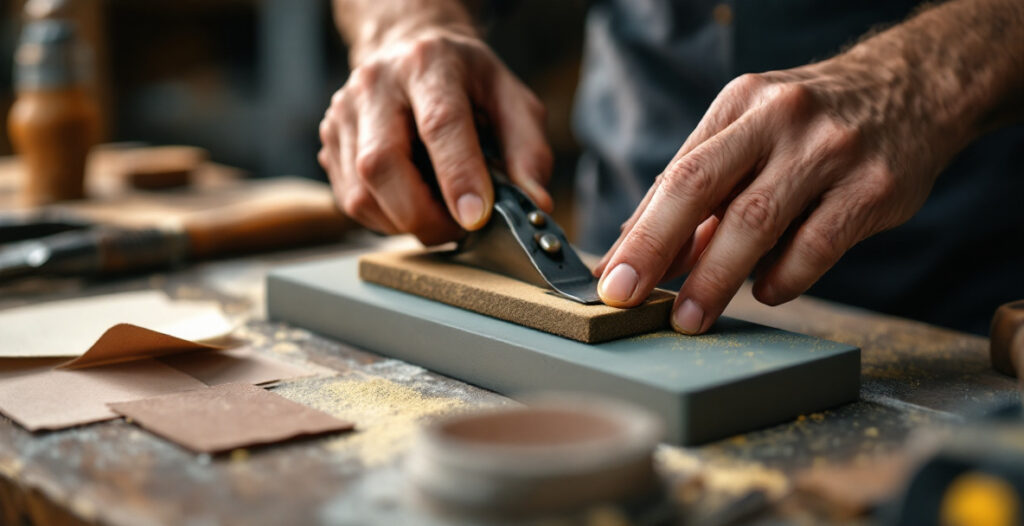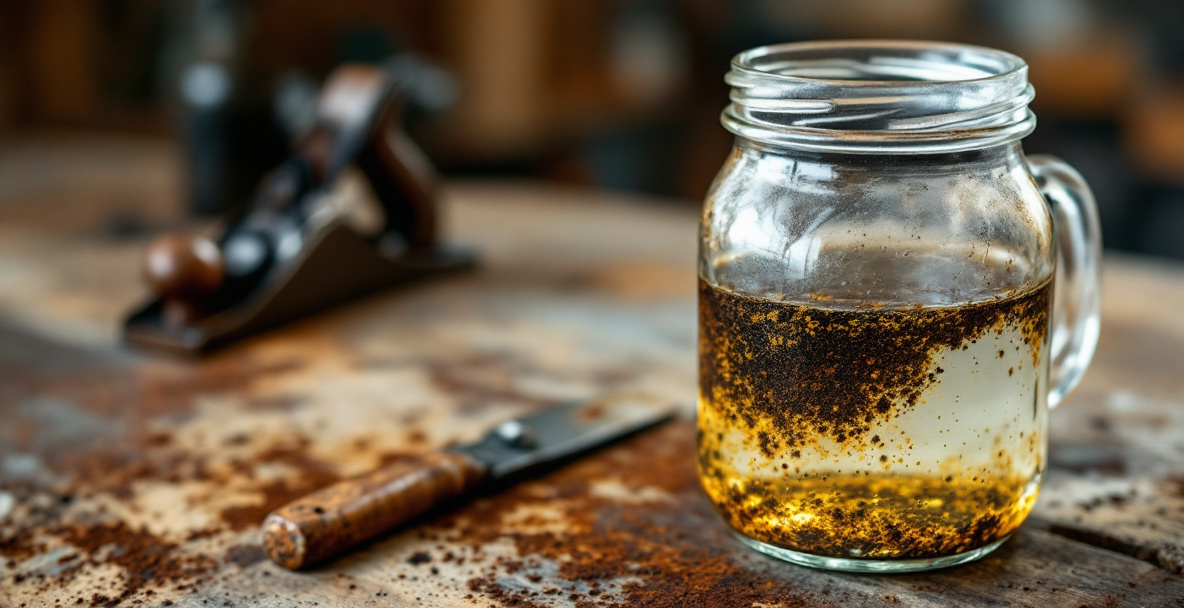
White vinegar for rust removal works because its acetic acid dissolves iron oxide, letting rust lift away without scrubbing the base metal. Soak a rusty tool fully submerged for 8-24 hours, then scrub with a stiff brush or steel wool. It won’t restore pitted metal or sharpen an edge, but for surface and moderate rust on secondhand hand tools, it’s cheap, safe on your hands, and does most of the work by itself.
Why white vinegar for rust removal actually works
Rust is iron oxide, and acetic acid — the active ingredient in white vinegar, usually around 5% concentration — reacts with it and converts it into a water-soluble compound. That compound washes or wipes off, taking the rust with it and leaving the solid steel underneath largely untouched.
This is why vinegar is a reasonable first move on secondhand chisels, plane irons, and saw plates picked up at flea markets or estate sales. You’re not sanding or grinding away material, which matters when the tool still has usable steel and you want to keep as much of it as possible. Stronger acid concentrations, like the 30% solutions sometimes sold for rust removal, work faster but also attack good metal faster if you leave the tool in too long — regular kitchen-strength vinegar is the safer default for a beginner working alone in a shed with no one to ask if something’s gone wrong.
How long should you soak a tool in vinegar?
Most surface rust lifts in 8 to 24 hours of full submersion. Heavier, flaky rust on old plane bodies or hand-forged tools can take longer — some people leave tools in for two or three days, checking every few hours toward the end.
Don’t walk away and forget it for a week. Left too long, vinegar starts to etch bare steel, giving it a dull, slightly rough gray finish instead of a clean one. Check the tool periodically, and as soon as the rust wipes off with light pressure, pull it out.
Step-by-step: removing rust with white vinegar
Here’s the basic process, whether you’re dealing with a rusty chisel, a saw plate, or a plane sole.
- Submerge the tool. Use a container that fits the whole piece — a bucket, a length of PVC pipe capped at one end, or a plastic tub. Cover the rusted area completely in plain white vinegar.
- Wait. Check after 8 hours. Rust that’s ready to go will look dull and loosened, sometimes with a slight fizz visible on the surface early on as the acid reacts.
- Scrub. Pull the tool out and scrub with a stiff nylon brush, steel wool, or fine (000) wire wool. Rust should come off in a dark sludge. Rinse under water as you go.
- Neutralize. Wipe the tool down with a baking soda and water paste, or at minimum a thorough water rinse, to stop the acid from continuing to react.
- Dry immediately. Bare steel flash-rusts fast once wet. Dry with a rag, then leave it somewhere warm for 20 minutes to make sure there’s no moisture hiding in a seam or handle socket.
- Oil it. A light coat of oil — mineral oil, camellia oil, or even the oil you’d use on a workbench top — stops new rust from forming immediately.
That last step matters more than people expect. A tool that comes out of a vinegar soak with clean, bare metal is more vulnerable to rust than before you started, because the old rust layer — as ugly as it was — was at least somewhat protective. Skipping the oil step is the single most common reason people redo this job a week later.
Does vinegar damage tool steel or handles?
Straight white vinegar won’t damage hardened tool steel if you don’t leave it soaking for days on end, but it will strip bluing, patina, and any existing finish, and it can degrade wooden or leather handles if they’re submerged too. One woodworking forum thread on the topic notes users routinely disassembling tools first, soaking only the metal parts and keeping handles dry — a habit worth copying if the tool has a wood handle you want to keep looking decent.
If a chisel or plane iron has a wooden handle you can’t remove, prop the tool so only the metal sits in the liquid. It’s slower — you may need to top up the vinegar or flip the tool partway through — but it avoids swelling or discoloring wood you’d otherwise have to replace.
Does vinegar work on heavy or pitted rust?
Vinegar removes surface rust reliably, but it won’t undo pitting — the small craters left where rust has eaten into the metal over years of neglect. Those are permanent unless you grind or sand the surface down further, which changes the tool’s dimensions.
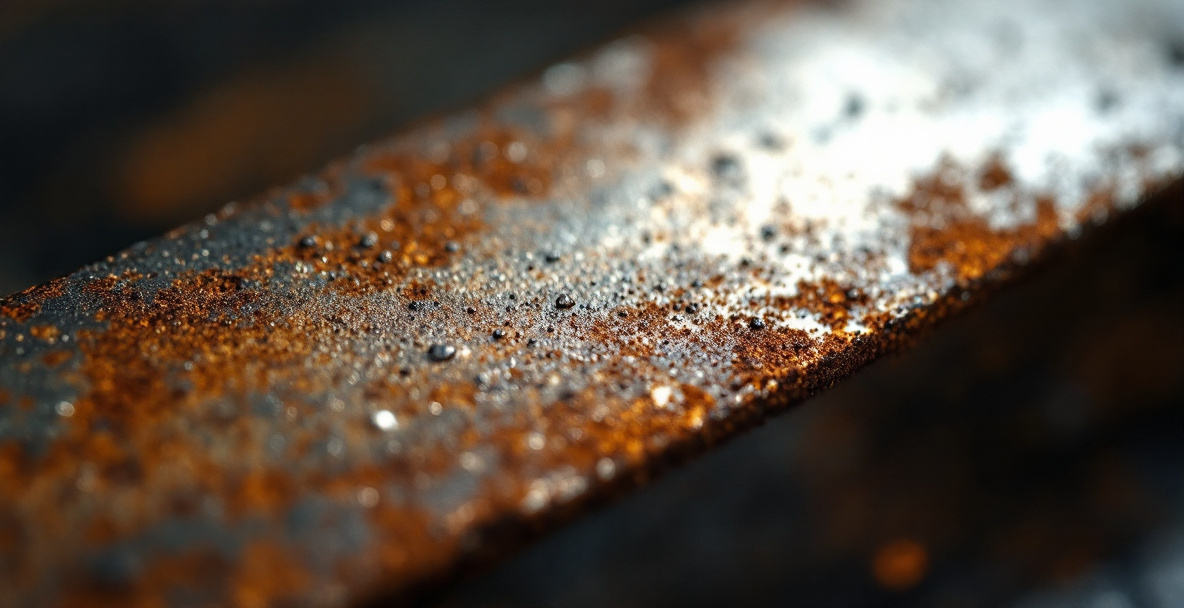
For a chisel or plane iron, pitting near the cutting edge is a bigger problem than pitting on the body, since it can leave a ragged edge that won’t sharpen cleanly. Before buying a secondhand tool specifically to de-rust, flip it over and check the edge and the face that will need to stay flat — cosmetic rust on the sides of a hand plane body is a non-issue, but pitting on the sole or iron is a real defect. A vinegar soak that reveals extensive pitting isn’t a failure of the method — it’s the method doing its job and showing you what was always there under the rust.
Vinegar vs. other rust removal methods
Vinegar sits in the middle of the effort-versus-speed scale. Mechanical removal — a wire wheel, sandpaper, or a rust eraser block — is faster and gives you more control over exactly how much metal comes off, but it takes hands-on time and it’s easy to round over an edge you meant to keep flat.

Electrolysis, at the other end, removes rust from heavily corroded tools without any acid and without touching good steel, but it needs a battery charger, a container, washing soda, and some basic wiring — more setup than most beginners want for a $4 flea-market chisel. Vinegar wins for one reason: it needs almost nothing you don’t already have, and it does the work unattended while you do something else.
Is white vinegar better than commercial rust removers?
For light to moderate rust on hand tools, plain white vinegar performs comparably to many commercial rust removers, at a fraction of the cost and without needing gloves or ventilation the way stronger chemical strippers do. Commercial products and higher-concentration acetic acid solutions cut soak time down, sometimes to under an hour, which is worth it if you’re de-rusting a whole box of tools at once. One supplier selling 30% vinegar for exactly this purpose notes the tradeoff plainly: it’s faster, but it also demands closer monitoring so you don’t overshoot and pit the steel yourself.
For a single tool and a free weekend, standard 5% white vinegar from the kitchen is the more sensible starting point. You can always step up to something stronger if it isn’t cutting it.
What to do after the rust is gone
Once a de-rusted tool is clean, dry, and lightly oiled, it’s just a tool again — the vinegar step was prep work, not the finish line. A chisel still needs a real edge before it’ll cut anything, and a plane iron pulled from a rust bath is almost never ready to use straight away.
If the tool you rescued is a plane blade, get it flat and sharp before putting it back to work — our guide on sharpening a hand plane blade without fancy gear covers doing that with the same kind of basic, secondhand-friendly setup this rust removal method assumes you have. And if the de-rusted tool is a plane body itself, how to use a hand plane is the next logical stop before you trust it on real material.
Secondhand tools with surface rust are often the better buy anyway — they’re cheaper precisely because a listing photo shows rust, and most of that rust is cosmetic. That’s worth remembering next time you’re deciding whether to pass on a rusty old chisel at a yard sale or bring it home.
FAQ
Can I use apple cider vinegar instead of white vinegar for rust removal?
Yes. Apple cider vinegar contains a similar concentration of acetic acid and works about as well. White vinegar is usually preferred simply because it’s cheaper and won’t leave a sticky residue or smell as strong once it dries.
Will vinegar remove rust from inside tight spaces, like a plane’s mouth or a hand drill’s chuck?
Yes, as long as the vinegar can actually reach the rusted surface. For enclosed mechanisms, submerge the whole assembly if possible, or use a rag soaked in vinegar packed into the tight space and left overnight, then flush with water afterward.
Does vinegar remove rust from a saw blade without dulling the teeth?
It removes rust without dulling the teeth, since acetic acid isn’t abrasive — it dissolves oxide, not steel. Sharpness comes down to the shape of the teeth, which vinegar doesn’t touch either way, for better or worse.
How do I stop rust from coming back after cleaning a tool?
Dry the tool completely, then apply a light coat of oil and store it somewhere dry — humidity is the actual enemy, not just water contact. A silica gel packet in a tool box or drawer helps in damp sheds and garages.
Is it safe to soak an entire hand plane, including the wood, in vinegar?
It’s not ideal. Wood soaks up moisture and vinegar’s acidity, which can warp or discolor it over time. Disassemble the plane first and soak only the metal parts, keeping wooden totes and knobs dry.