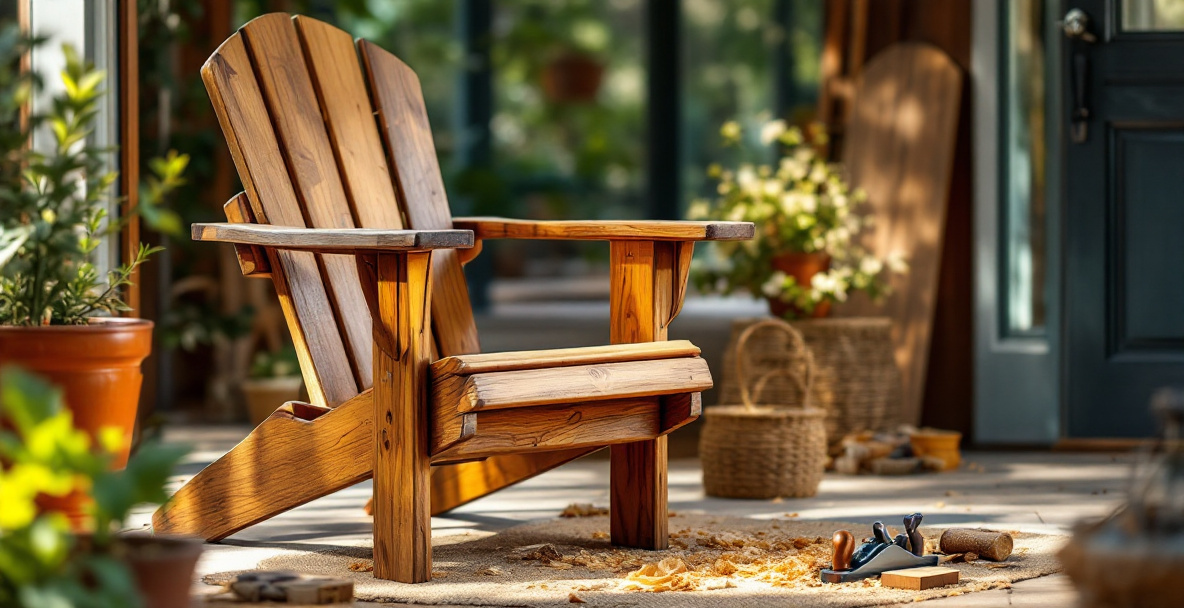
The best wood for outdoor furniture is one that resists rot and moisture on its own, without needing paint or heavy chemical treatment to survive. Species like white oak, teak, cedar, and black locust hold up well outside because their heartwood is naturally dense and rich in rot-resistant compounds. For hand tool work specifically, white oak and cedar are usually the more realistic choices — teak is excellent but expensive and increasingly hard to source responsibly, and black locust is tough on edges.
That’s the short answer. The longer answer depends on what tools you’re working with, what’s available near you, and how much time you’re willing to spend maintaining a piece versus building it right the first time.
What makes wood good for outdoor use?
Rot resistance comes from natural chemicals in the heartwood — tannins, oils, and other extractives that fungi and insects don’t like to eat. This is why a fence post’s outer sapwood rots first while the darker heartwood core survives for years longer.
Density matters too, but it’s secondary. A dense wood with no natural rot resistance, like maple, will still fall apart outdoors faster than a lighter wood with good extractives, like cedar. What you’re looking for is the combination: a species where the heartwood itself doesn’t invite decay, regardless of how hard or soft it feels under a plane.
Grain stability also counts for something a lot of guides skip. Wood that moves a lot with humidity changes — swelling in summer, shrinking in winter — will eventually loosen joints, crack finishes, and warp panels. That’s a slower failure than rot, but it’s just as real, especially for a stool or bench seat glued up from multiple boards.
Best wood species for outdoor furniture
White oak
White oak is the standard recommendation for a reason: its pores are plugged with tyloses, a cellular structure that blocks water from moving through the wood. This is what made it the traditional choice for barrels and ship planking long before modern sealants existed.
It works reasonably well with hand tools, though it’s harder than pine or cedar and will dull an edge faster. Expect to sharpen more often. The payoff is a chair or table that can sit outside for a decade with minimal finish maintenance, as long as you’re using the heartwood and not the pale sapwood at the edge of the board.
One caution: red oak is not the same wood. Its pores are open, it wicks water like a straw, and it rots outdoors far faster than white oak. Check which one you’re buying — the color and grain look similar enough to fool a beginner.
Cedar
Cedar (western red cedar in particular) is lightweight, naturally resistant to insects and decay, and genuinely easy to work by hand. It planes and saws cleanly, which matters if you’re doing everything with a handsaw and a block plane in a garage corner rather than running boards through a jointer.
The tradeoff is softness. Cedar dents and dings more easily than oak, and it’s not the wood to pick if the furniture is going to take real structural load, like a bench that gets stood on. For garden chairs, planters, and lighter outdoor pieces, it’s hard to beat for the amount of effort it takes to shape.
Teak
Teak is the wood most people picture when they think of good outdoor furniture, and it earns that reputation. Its natural oils repel water so effectively that teak furniture has survived decades outside with no finish at all, just graying to a silvery patina.
The catch is cost and sourcing. Genuine teak has gotten more expensive and harder to find from well-managed forests, and a lot of what’s sold as “teak” online isn’t. If you can source it affordably and verify where it came from, it’s a strong pick. For most hobbyists working on a budget, it’s not the practical default.
Black locust
Black locust is one of the most rot-resistant woods native to North America, often outperforming even cedar and white oak in ground-contact tests. It’s been used for fence posts that outlast the fences attached to them.
It’s also brutally hard on tools. Hand-planing black locust is slow going, and it will test your sharpening routine more than any other wood on this list. If you already have a solid chisel sharpening routine and don’t mind the extra effort, it’s worth considering for a piece meant to last generations. If you’re still building basic skills, it’s not the most forgiving place to start.
What’s the difference between naturally rot-resistant wood and treated wood?
Naturally rot-resistant species like cedar and white oak resist decay because of chemicals already present in their heartwood. Pressure-treated wood, usually pine or fir, gets that resistance injected afterward through chemical preservatives.
Treated lumber is cheaper and widely available, which is why it’s the standard at most home centers. But it planes poorly, the chemicals aren’t something you want in your lungs as sawdust from hand tool work, and it typically still needs paint or sealant to look presentable. For a piece you’re building carefully by hand and want to actually enjoy using, a naturally resistant species is usually the better investment of your time, even if the board itself costs more. One landscaping guide covers the tradeoffs between common outdoor species in more detail if you want a second opinion before buying.
Does finish matter as much as wood choice?
Finish matters, but it’s a supporting factor, not a substitute for choosing the right species. Even the best oil or sealant will need reapplying; naturally rot-resistant wood buys you a much wider margin for error if you skip a year of maintenance.
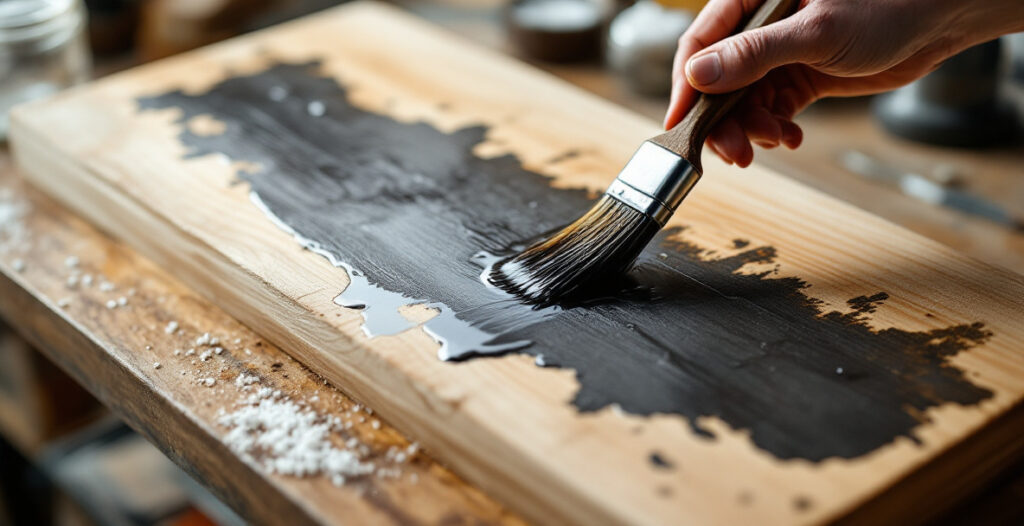
For outdoor pieces, oil-based finishes (like tung oil or a dedicated outdoor oil) tend to hold up better than film finishes like varnish, which crack and peel once UV exposure gets to them. A soaked-in oil finish fails gracefully — it just fades and needs a fresh coat — while a cracked varnish finish traps moisture underneath it, which can actually accelerate rot compared to no finish at all. This short Youtube shows the difference in weathering side by side if you want to see it rather than take it on faith.
Some woodworkers skip finish entirely and let the wood gray naturally, which is a legitimate choice with species like cedar and teak. It’s not neglect — it’s just a different look, and one less maintenance task.
Working outdoor wood species with hand tools
Denser, rot-resistant species are, almost without exception, harder on edge tools than the softwoods most beginner guides assume you’re using. This isn’t a reason to avoid them, but it changes how you should plan a build.
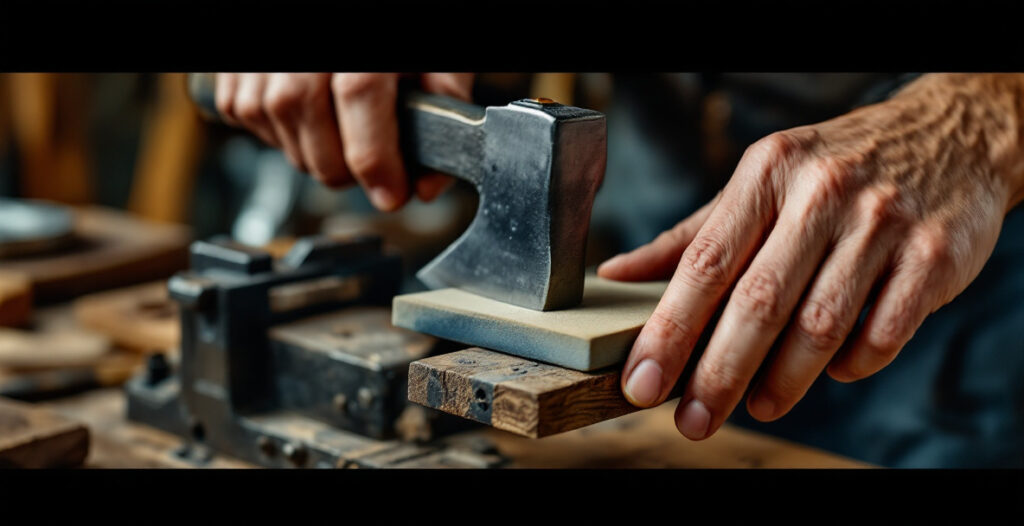
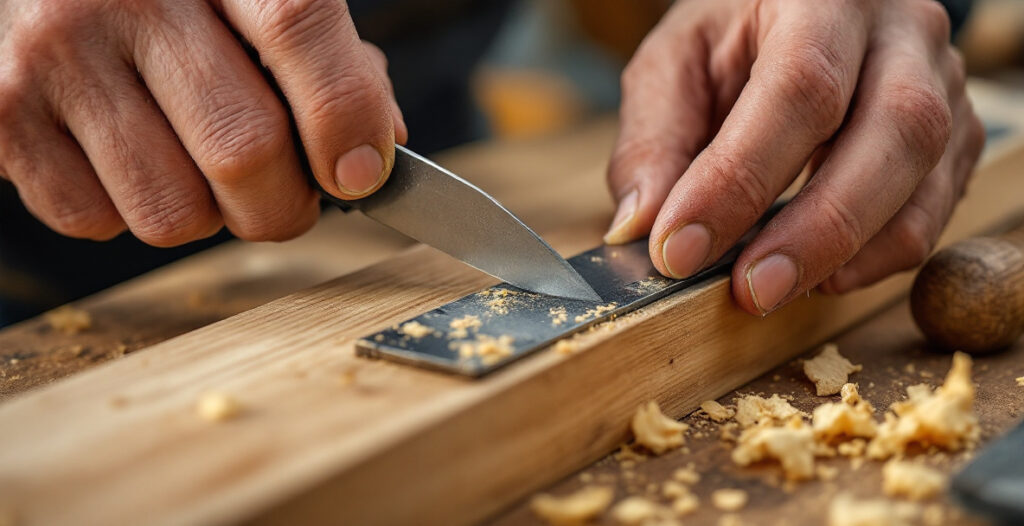
Sharpen more often than you think you need to. A chisel that glides through pine will drag and tear in white oak or black locust within an hour of use, and pushing a dull edge through hardwood is how tearout and split boards happen. Keep your stones or sandpaper set up within reach, not packed away — you’ll use them more than you expect.
Plan for slower stock removal too. Ripping a board of white oak by hand takes real time and effort compared to cedar or pine. Budget for it in your project timeline rather than getting discouraged when a single board takes an evening instead of twenty minutes.
Buy rough-sawn where you can, and let it acclimate. Kiln-dried lumber from a big box store is convenient, but a local sawyer selling rough-sawn hardwood is often cheaper for outdoor species and gives you control over which boards have the clean heartwood you actually want. Let any new wood sit in your storage space for a couple of weeks before working it, so it settles to the humidity of where it’ll live.
Frequently asked questions
Is pine ever acceptable for outdoor furniture?
Untreated pine is a poor choice outdoors — it has little natural rot resistance and will break down within a few years of weather exposure. Pressure-treated pine lasts longer but comes with the tradeoffs of chemical treatment and rougher hand-tool performance. If you want to use pine anyway, expect to repaint or reseal it regularly and to replace ground-contact pieces sooner than hardwood equivalents.
Can I mix wood species in one outdoor project?
Yes, as long as you account for how each species moves with moisture. A frame in one species with panels or slats in another is common practice, but avoid combining woods with very different expansion rates in a single glued panel, since that’s what causes cracking over time.
How long does untreated cedar last outside?
Untreated cedar left to weather naturally typically lasts 15-20 years in most climates before structural failure, though it will gray and roughen well before then. Ground contact shortens that significantly — cedar does best raised off soil on feet or a base rather than sitting directly on the ground.
Do I need to seal the end grain on outdoor furniture?
Yes, if you’re finishing at all. End grain absorbs water many times faster than face grain, and it’s usually where rot starts on furniture legs and joints. A couple of extra coats of oil or sealant on exposed end grain is cheap insurance against the weakest point failing first.